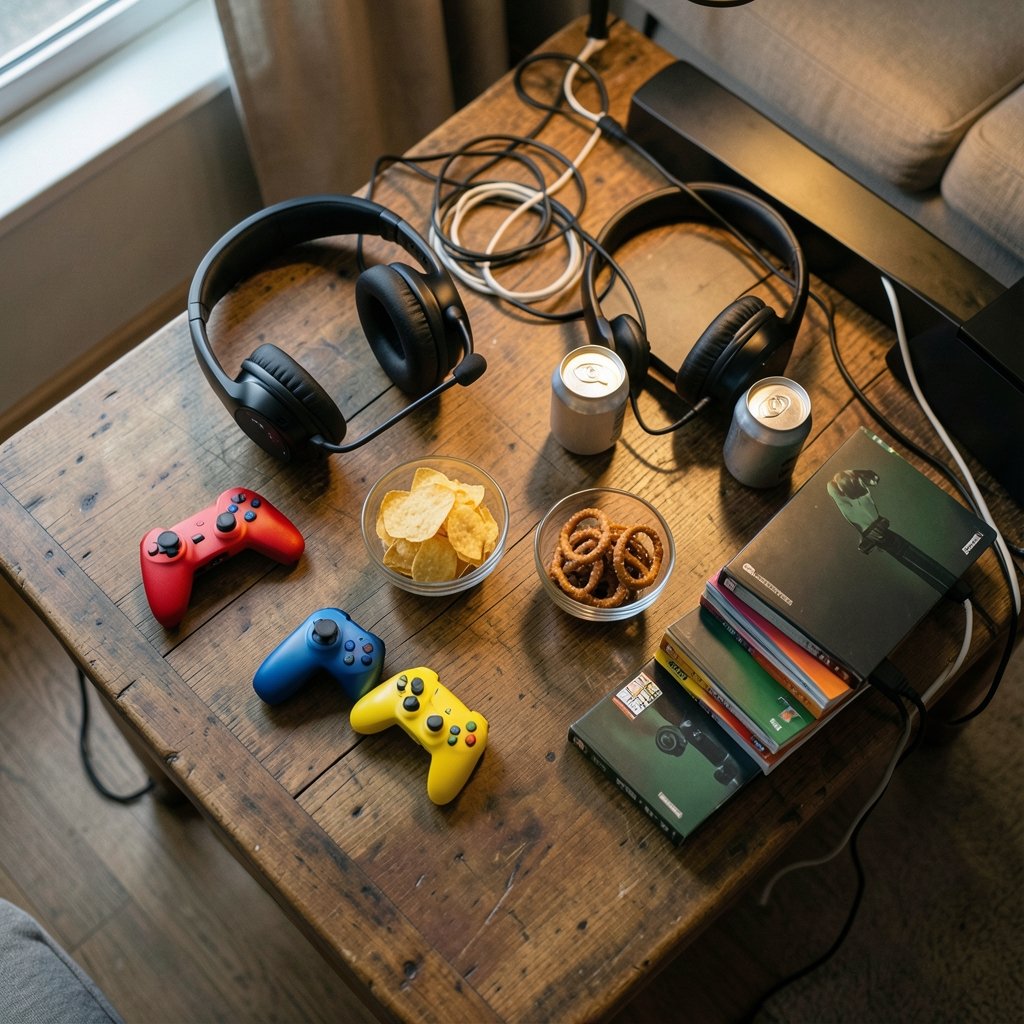
Around 70% of players say they prefer teaming up with friends over playing alone, according to industry surveys on multiplayer habits. That number explains a lot. Co-op gaming has quietly become the default way many friend groups spend time together, replacing movie nights and group chats with shared objectives, chaotic teamwork, and the occasional shouting match over who grabbed the last health pack.
But “co-op” covers a huge range. Some games want you shoulder-to-shoulder on one couch. Others want four headsets and a scheduled weekly session. Some are forgiving and welcoming. Others will test a friendship. This guide breaks down the best co-op games to play with friends by how you actually play them, so you can match the game to your group instead of guessing.
Start With the Right Question: How Does Your Group Play?
Before naming titles, it helps to sort your group into one of three buckets. Most disappointments in co-op gaming come from mismatched expectations, not bad games.
| Group type | What matters most | What to avoid |
|---|---|---|
| Same-room, same-couch players | Split-screen support, short sessions, simple controls | Online-only games, long tutorials |
| Online friends with different schedules | Drop-in/drop-out play, cross-play, save sharing | Games that punish missing a session |
| Mixed-skill groups (veterans + newcomers) | Difficulty scaling, forgiving death mechanics | Competitive PvP modes, steep learning curves |
A common mistake is buying a game because it looks fun in a trailer, then discovering it needs four players online and your group has three. Another is ignoring cross-play, which determines whether a friend on a different console can join at all. Check platform support before you buy, not after.
Couch Co-Op: Games That Shine in the Same Room
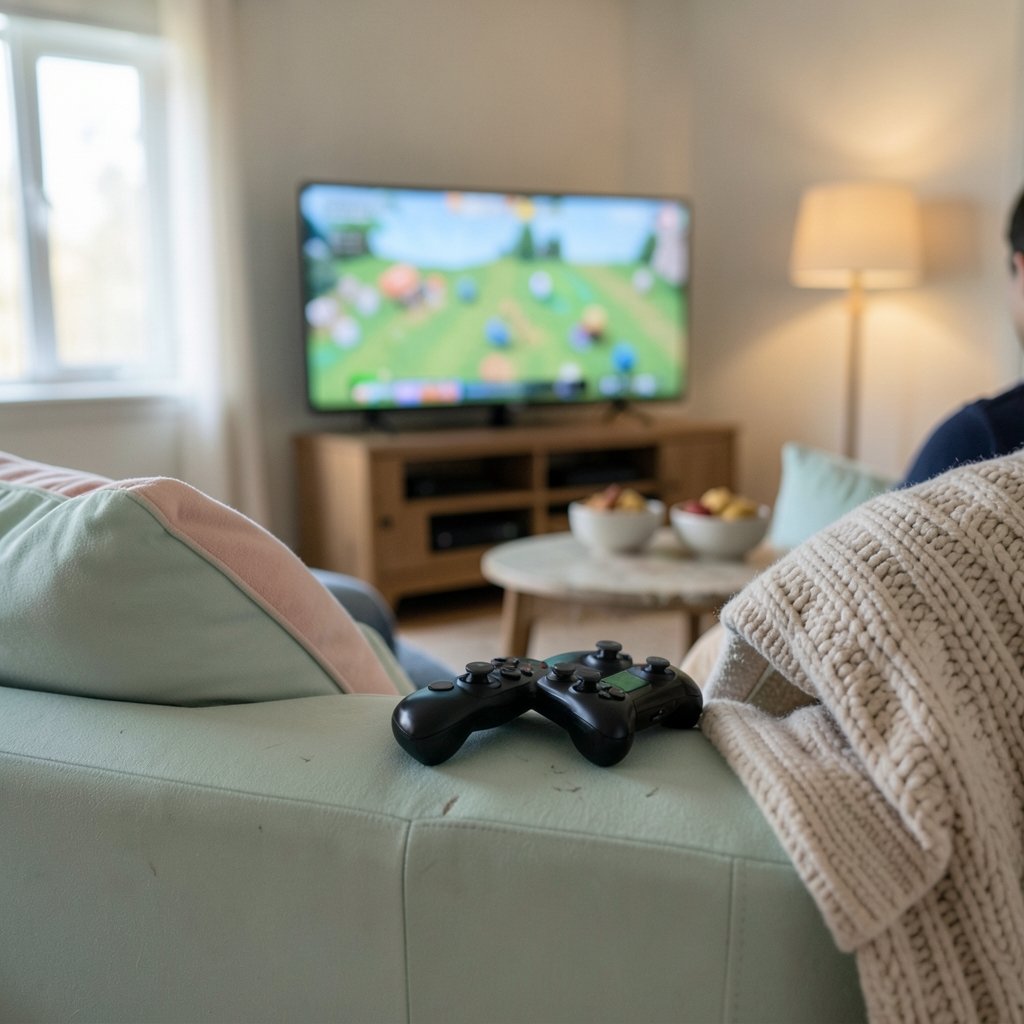
Local co-op has had a genuine revival, largely because indie studios keep shipping split-screen experiences that big-budget releases skip. If your group gathers in person, these are the safest bets.
Overcooked! 2
The definitive couch co-op stress test. Two to four players run a chaotic kitchen, chopping, cooking, and plating orders while the floor catches fire. It is simple to learn and brutally funny to fail. The lesson most groups learn the hard way: assign roles early. One person preps ingredients, one cooks, one plates. Teams that improvise everything tend to burn out by level three.
It Takes Two
A two-player-only adventure built entirely around cooperation. Every level hands each player different abilities, so neither person can solo the puzzle. It is one of the strongest arguments for co-op as a design choice rather than a bolt-on feature. Expect roughly ten to twelve hours of play, which makes it ideal for a pair working through it across several evenings.
Rocket League
Local split-screen racing-soccer that works with any skill level. Matches last five minutes, which makes it perfect for rotating players in and out. It also doubles as a competitive game, so groups that enjoy a bit of rivalry get extra mileage. If your friends lean toward arcade action, browsing more car games free options can round out a game night nicely. (Cooperative video game)
Online Co-Op: Built for Friends on Different Schedules
Online co-op lives or dies on flexibility. The best games let someone join mid-session, leave without breaking the save, and play at their own pace.
Deep Rock Galactic
Four players, procedurally generated caves, and a class system that forces teamwork without feeling restrictive. Each class has a distinct job: the Scout lights up caverns, the Engineer builds platforms, the Driller tunnels, the Gunner shoots. Sessions run twenty to forty minutes, so a group can squeeze in a run on a weeknight. The community is famously welcoming to newcomers, which matters more than most people expect.
Baldur’s Gate 3
A massive role-playing game that supports up to four players in a shared campaign. It is the opposite of a quick pick-up game. Groups need a regular schedule, and someone usually has to host the save file. The payoff is a story that genuinely changes based on group decisions, including the bad ones. Practical tip: agree on a session length before you start, because “one more quest” has a way of turning into three hours. (International Game Developers Association)
Helldivers 2
Squad-based action with friendly fire permanently switched on. That single design choice creates most of the tension and most of the comedy. Teams coordinate stratagems, watch each other’s backs, and learn that standing behind a teammate with a machine gun is a bad idea. It rewards communication and punishes carelessness, which makes it a strong pick for groups that like a challenge.
If your group enjoys scarier fare, the same drop-in structure applies to horror games unblocked picks, which work well for short, tense sessions rather than long campaigns.
Party and Social Games: Low Pressure, High Laughs
Not every group wants a fifty-hour commitment. Party games lower the barrier, especially when players have wildly different experience levels.
Among Us
A social deduction game where teamwork and lying coexist. It works best with six or more players and a voice chat. The real skill is reading people, not mastering controls, which levels the playing field between veteran gamers and total beginners.
Fall Guys
Sixty-player obstacle courses with short rounds and forgiving respawns. It is bright, silly, and easy to drop into. Groups can play together or just compare results, which removes pressure to coordinate schedules.
For more ideas in this lighter category, there is a solid list of fun games to play with friends that covers party formats beyond the big names.
Free-to-Play Co-Op: Maximum Value, Minimum Risk
Cost is a real barrier when you are trying to convince four friends to buy the same game. Free-to-play titles remove that friction entirely, which makes them the easiest way to test whether your group actually enjoys playing together.
Fortnite
Battle royale is the headline mode, but the creative and sandbox options support relaxed group play. It runs on nearly everything, which solves the cross-platform problem in one move.
Warframe
A cooperative loot shooter with years of content. The learning curve is steep, and the early game does a poor job explaining its systems. The workaround experienced players use: pair a newcomer with a veteran for the first few missions instead of letting them solo the tutorial.
Genshin Impact
Primarily a solo experience, but its co-op mode lets friends explore and fight together after reaching a certain story point. It is worth naming because groups often assume it is fully co-op and get frustrated. Check the co-op requirements before planning a session around it.
Browsing a wider free to play games catalog is a smart first step if you want to sample several titles before committing money to one.
How to Pick the Right Game for Your Friend Group
A few practical rules cut down on wasted purchases and awkward evenings.
- Confirm player count and platform support first. Four-player online co-op is not the same as four-player split-screen. Check the store page carefully.
- Agree on session length. Games with twenty-minute missions suit weeknights. Campaigns with three-hour chapters need weekends.
- Match difficulty to the least experienced player. A game that is too hard for one person quietly becomes a solo game for everyone else.
- Test with a free title before buying. Run one session of something free to see how the group communicates.
- Pick one “anchor” game and one “filler” game. The anchor is the campaign you commit to. The filler is the quick party game for nights when not everyone shows up.
The most common mistake is overcommitting. Groups buy a sprawling campaign, play twice, and never return. Shorter games with clear stopping points get finished far more often.
Co-Op Games Across Genres and Platforms
Co-op is not confined to one genre. The same principles apply whether you are racing, solving puzzles, or surviving a horror scenario.
- Racing: split-screen racers and arcade driving games work well for mixed groups because skill gaps matter less than luck.
- Horror: asymmetric horror games, where one player hunts and others flee, create memorable sessions. These are best in short bursts.
- Classic back catalogs: older consoles are full of legendary local multiplayer. A list of the best PS2 games of all time is a great starting point if your group enjoys retro couch sessions.
- Mobile: phone-based co-op has exploded, and there are plenty of strong games to play with friends on phone when nobody has a console nearby.
- Niche interests: if your group has unusual tastes, browsing tech play games by category helps you find titles that match specific interests rather than settling for the biggest release.
Common Mistakes That Sink Co-Op Nights
Even a great game can fall flat with the wrong setup. These are the recurring problems groups run into.
Ignoring time zones and schedules. A four-player campaign needs four calendars. Pick a recurring slot and treat it like a standing appointment, or the save file gathers dust.
Skipping the tutorial together. Players who rush ahead leave newcomers behind. Running the opening hour as a group, at the same pace, prevents the “I’ll just catch up later” spiral that kills campaigns.
Choosing competitive games for cooperative groups. Some friends want to win. Others want to hang out. Mixing those expectations in a team-based shooter creates friction. Be honest about which group you have.
Overlooking accessibility settings. Difficulty sliders, aim assist, and colorblind modes matter. A game that excludes one player excludes the whole group.
Forgetting that voice chat is part of the game. Most co-op titles are designed around talking. A group without working mics is playing a harder, quieter version of the same game.
Conclusion
The best co-op games to play with friends are not the ones with the highest review scores. They are the ones that fit your group’s schedule, skill range, and tolerance for chaos. A four-player squad with weeknight availability will get more from short-mission games like Deep Rock Galactic than from a hundred-hour campaign nobody can coordinate. A pair working through a story-driven adventure will remember It Takes Two long after the credits roll.
Start by answering three questions: how many players, on what platforms, and for how long per session. Then pick a free title to test the waters, choose one anchor game to commit to, and keep a light party game in reserve for nights when the full group does not show. Do that, and co-op night stops being a scheduling headache and becomes the thing everyone looks forward to.
FAQ
What is the best co-op game for two players?
It Takes Two is the strongest two-player pick because every level requires both people to solve puzzles together. For a longer commitment, a shared Baldur’s Gate 3 campaign works well for pairs who can keep a regular schedule.
Do all co-op games support split-screen?
No. Many modern co-op games are online-only, and some support online play but not local split-screen. Always check the store page or box description for local co-op support before buying, especially if your group plays in the same room.
Can friends on different consoles play co-op together?
Only if the game supports cross-play. Cross-play is increasingly common but not universal, and some titles limit it to certain modes. Verify cross-play support for your specific platforms before planning a session.
Are free-to-play co-op games worth playing?
Yes, especially for testing whether your group enjoys playing together. Free titles remove the cost barrier, so a failed game night costs nothing but time. Fortnite and Warframe are solid starting points, though Warframe’s learning curve is steep for newcomers.
How many players do most co-op games support?
Most co-op games support two to four players. Party games like Among Us work best with six or more. Squad-based titles usually cap at four because coordination becomes unwieldy beyond that number.
What should a group do if players have very different skill levels?
Choose games with difficulty scaling or forgiving death mechanics, and avoid competitive PvP modes. Party and social deduction games level the playing field because they reward reading people rather than mastering controls. Pairing a newcomer with a veteran for early missions also helps.