
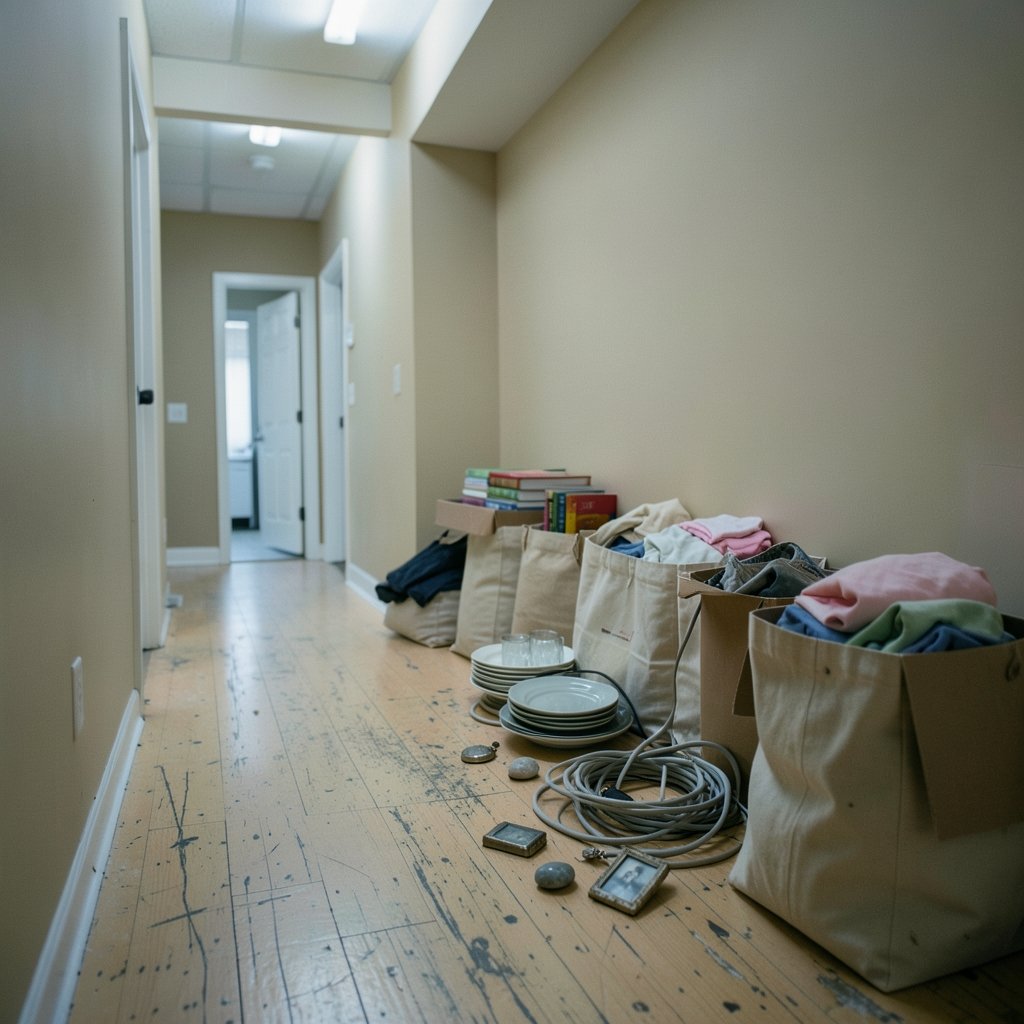
What if the reason your closets, counters, and garage feel so heavy isn’t that you own too much, but that no one ever taught you a system for deciding what stays? Most people attack clutter room by room, get stuck on a single box of cables, and quit by lunchtime. The fix isn’t more willpower. It’s a better process, a realistic timeline, and a plan for what happens after the bags leave your house.
This guide walks through the methods that actually hold up in practice, the mistakes that stall almost everyone, and the safety and tax details that decluttering advice usually skips. (Decluttering)
Start With a Decision Rule, Not a Room
The single biggest reason decluttering fails is that people start in the wrong place. They open a closet, pick up an object, and freeze. Without a rule for deciding, every item becomes a fresh debate.
That’s why category-based methods outperform room-based ones. The KonMari Method, developed by Marie Kondo, sorts by category rather than location and works in a fixed order: clothes, books, papers, small miscellaneous items, then sentimental objects. Each category gets gathered into one pile so you can see the true volume. The method’s own explanation of the category order is worth reading before you begin, because the sequence is the part people skip and the part that makes it work.
Why does order matter? Because sentimental items are the hardest decisions. If you start with old photos and letters, you’ll exhaust your decision-making energy before you reach the easy stuff. By the time you hit the sentimental category, you’ve already made hundreds of small choices and built momentum.
If KonMari’s “spark joy” test feels too vague, use a more mechanical rule instead:
| Rule | How it works | Best for |
|---|---|---|
| Spark joy | Keep only what genuinely lifts your mood | People who struggle to let go |
| Last-used test | Let go of anything unused in 12 months | Tools, kitchen gear, hobby supplies |
| 20/20 rule | If replacing it costs under $20 and takes under 20 minutes, release it | Cables, chargers, duplicates |
| One in, one out | Every new item replaces an old one | Maintaining progress long term |
The 20/20 rule is widely credited to Joshua Fields Millburn of The Minimalists, and it works because it reframes the question. Instead of “might I need this someday?” you ask “how bad would it actually be to replace it?” For most small household items, the honest answer is: not bad at all.
Set Up a Sorting Station Before You Touch Anything
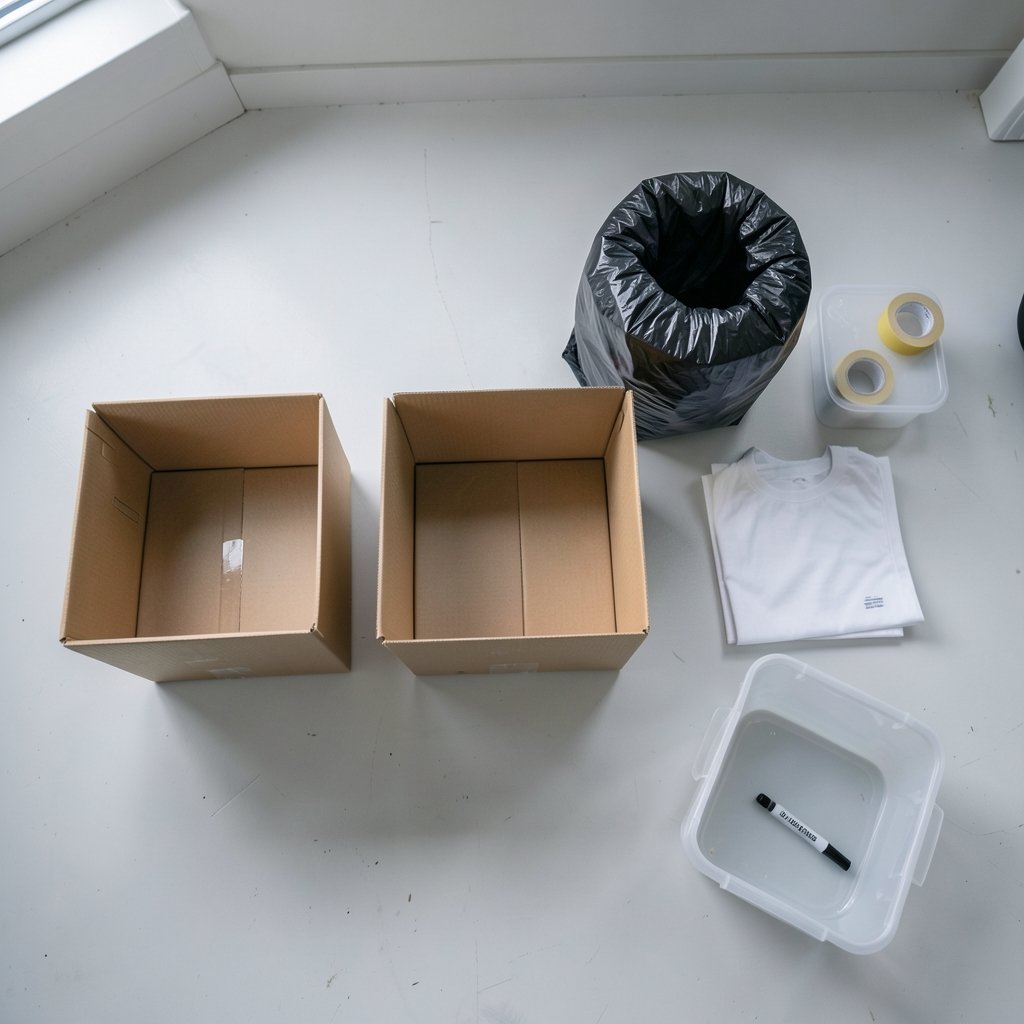
Practical experience from people who’ve done this repeatedly points to one underrated step: prepare the workspace first. Decluttering without a system means you end up moving piles from one room to another, which looks like progress and isn’t.
Use the four-box method: keep, donate, store, and trash. Add a fifth box for “belongs somewhere else” so you stop leaving stray items on the stairs. Label them. Keep the donate box near the door so it actually leaves.
A few field-tested tips that make the day go faster:
- Work in 45-minute blocks with real breaks. Decision fatigue is physical. Tired brains keep everything.
- Empty one full category, not one shelf. Half-sorted shelves are how clutter regenerates.
- Don’t leave the room mid-sort. Finishing a category gives you a visible win.
- Photograph sentimental items before donating them. The memory is the point, not the object.
- Keep a “maybe” bag with a date on it. If you haven’t opened it in three months, it goes.
The most common mistake is starting with paper. Paperwork is emotionally loaded and slow, and it stalls momentum fast. Save it for after you’ve built confidence on clothes.
Handle the Hard Categories With a Clear Head
Some categories need their own approach because the normal rules don’t fit.
Papers should be sorted into three stacks only: act now, file, and shred. Anything you’re keeping “just in case” goes into a single reference folder with a review date. Most households keep far more paper than any legal or financial reason requires.
Digital clutter counts too. An overflowing inbox and a phone full of duplicate screenshots create the same low-grade stress as a messy hallway. If your home is increasingly run by connected devices, a tidy setup matters as much as tidy shelves, and a comparison of home assistant vs smartthings which smart home platform fits can help you cut the number of apps and hubs you’re managing.
Sentimental items deserve a container limit. Give yourself one box. Whatever fits stays; whatever doesn’t gets photographed and released. This sounds harsh until you try it, and then it feels like relief.
Kitchen gear is where duplicate purchases pile up. Two coffee makers, three blenders, a bread machine used twice. If you’re deciding between appliances, a look at what makes a best espresso machine for home genuinely worth the counter space can help you keep one good machine instead of three mediocre ones.
Dispose of Everything Responsibly
Here’s the part most decluttering articles skip entirely: not everything you remove belongs in the trash. Some of it is hazardous.
Paint, batteries, medications, electronics, and household chemicals should never go into regular curbside bins. Disposal rules vary by jurisdiction, so check your local government’s guidance before you bag anything up. A quick call to your municipal waste office saves a lot of problems.
For donations, timing matters. Donation centers turn away broken or stained goods, and dropping off unusable items just moves the problem. Sort donations into “clean and working” before you load the car.
If you’re in the United States and plan to claim a charitable deduction for donated household goods, the paperwork is stricter than most people expect. The IRS requires itemized records for noncash gifts, and donations over $250 generally need a written acknowledgment from the charity. The official guidance on charitable contribution deductions explains what documentation you need to keep. Get the receipt at the time of donation, not weeks later.
Build a Maintenance System So It Doesn’t Come Back
Decluttering is a project. Staying decluttered is a habit. Households that stay clear usually adopt a few small rules rather than relying on annual purges.
The one in, one out rule is the workhorse: a new pair of shoes means an old pair leaves. It’s simple enough to actually follow. Pair it with a ten-minute nightly reset, where everything returns to its home before bed, and a quarterly sweep of one category.
Storage helps, but only after you’ve reduced. Buying organizers before decluttering is the classic trap. You end up with beautifully labeled containers full of things you don’t need. Reduce first, then measure, then buy.
Two more habits that pay off:
- Give everything a home. Items without a designated spot become clutter by default.
- Keep flat surfaces clear. Kitchen counters and entry tables attract paper and mail faster than anything else in the house.
If noise or poor sleep is part of why your bedroom feels chaotic, the fix may be environmental rather than organizational, and these how to stop snoring at night home remedies are worth a look alongside your bedroom reset.
When Decluttering Advice Doesn’t Apply
Standard decluttering guidance assumes the person can make and act on decisions about possessions. For people with hoarding disorder, that assumption breaks down. Hoarding disorder was added as a distinct diagnosis in the DSM-5 in 2013, separate from obsessive-compulsive disorder, and the American Psychiatric Association’s overview of hoarding disorder explains why forced cleanouts often cause serious distress and relapse. (Recycling basics)
If someone you love is struggling at that level, professional support comes before sorting boxes. The same caution applies to anyone grieving a loss or managing a chronic illness. Decluttering can wait. Pushing through rarely works.
Conclusion
Decluttering works best when you treat it as a decision system rather than a cleaning spree. Pick a rule for what stays, sort by category instead of by room, prepare your boxes before you start, and dispose of hazardous and donated items properly. Then protect the result with small habits: one in, one out, a nightly reset, and a quarterly sweep of a single category.
Start with clothes this weekend. Not the garage, not the paperwork, not the photos. One category, one afternoon, one box out the door. That first visible win is what carries you through the rest of the house.
Frequently Asked Questions
How long does it take to declutter a whole house?
Most homes take several weekends rather than one heroic day. A realistic estimate is two to four hours per room for a typical lived-in space, longer for garages, basements, and paperwork. Working in 45-minute blocks with breaks keeps decisions sharp. Trying to finish everything in a single weekend usually produces half-sorted piles that quietly turn back into clutter.
Should I declutter room by room or by category?
Category is generally more effective. Gathering every item of one type into a single pile shows you the true volume, which room-by-room sorting hides. Room-based decluttering also tends to relocate items rather than remove them. The exception is shared spaces like kitchens, where a room-based pass can work if everyone in the household is involved.
What is the 20/20 rule for decluttering?
The 20/20 rule says that if an item can be replaced for under $20 in under 20 minutes, you can let it go. It’s most useful for small duplicates like cables, chargers, spare kitchen tools, and basic office supplies. The point isn’t the exact dollar figure. It’s replacing “what if I need this someday?” with a realistic estimate of how inconvenient losing it would actually be.
How do I declutter when I feel overwhelmed?
Shrink the task until it feels almost too easy. Set a timer for ten minutes and clear one drawer. Overwhelm usually comes from treating decluttering as one giant project with a single deadline. Breaking it into categories with defined endpoints, and preparing your keep, donate, store, and trash boxes in advance, removes most of the friction that causes people to stop.
What should I do with items I can’t decide on?
Put them in a dated “maybe” bag or box and store it out of the way. Set a reminder for three months. If you haven’t gone looking for anything inside by then, donate the contents unopened. This works because it separates the decision from the pressure of the moment, and most people find they never miss what’s in the bag.
Can decluttering help with home projects or financing?
Indirectly, yes. A clear, well-organized home makes it easier to plan renovations and to document what you own for insurance. If a decluttering project turns into a larger upgrade, understanding home addition contractors or comparing a home equity loan vs line of credit helps you plan the financial side before work begins.
You don’t have to tackle a whole room to make progress. A single drawer, one shelf, or the pile of mail on the counter counts. The goal isn’t perfection; it’s a home where the things you own serve you rather than the other way around. Expect some days to go better than others, and don’t treat a stalled afternoon as a failure. Momentum returns the moment you finish one small category and carry one box out the door. Whatever your starting point, the same principle holds: decide once, move the item out, and let the habit do the rest.



