
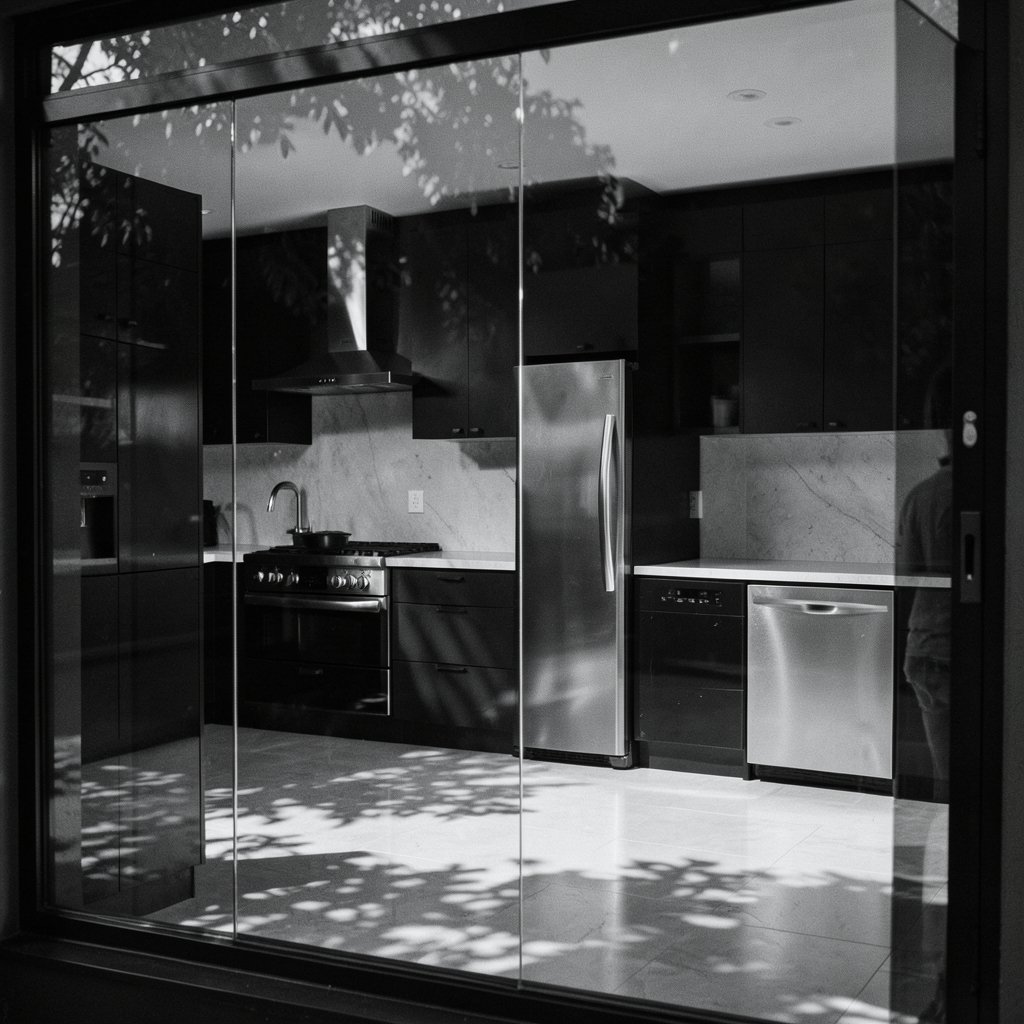
Why does a matching stainless steel kitchen package look so good in the showroom and so complicated on the delivery day? Because a package is not one product. It is a bundle of separate machines, each with its own specs, warranty, and care rules. Buying them together can save money and visual chaos, but only if you know what “stainless steel” actually means and what the bundle does not promise.
This guide walks through the real differences between grades and finishes, how to measure before you buy, what energy labels do and do not tell you, and the mistakes that turn a good deal into a return. Expect practical checks, not sales talk.
What a stainless steel appliance package actually is
A kitchen appliance package is a group of appliances sold together, usually a refrigerator, range, dishwasher, and over-the-range microwave. Some bundles add a hood or a second oven. Retailers often price the set lower than the sum of the individual units, which is the main draw.
Two package types dominate the market:
- Single-brand packages. One manufacturer supplies every unit. Finishes, handle styles, and display lighting tend to match closely.
- Multi-brand packages. A retailer mixes brands to hit a price point. The look may match well, but warranties and service networks will not.
There is no regulated definition of a “package.” No standard covers what must be inside one, and no package-level energy rating exists. Each appliance is judged on its own. That single fact explains most of the confusion buyers run into.
Stainless steel is a family, not a single metal
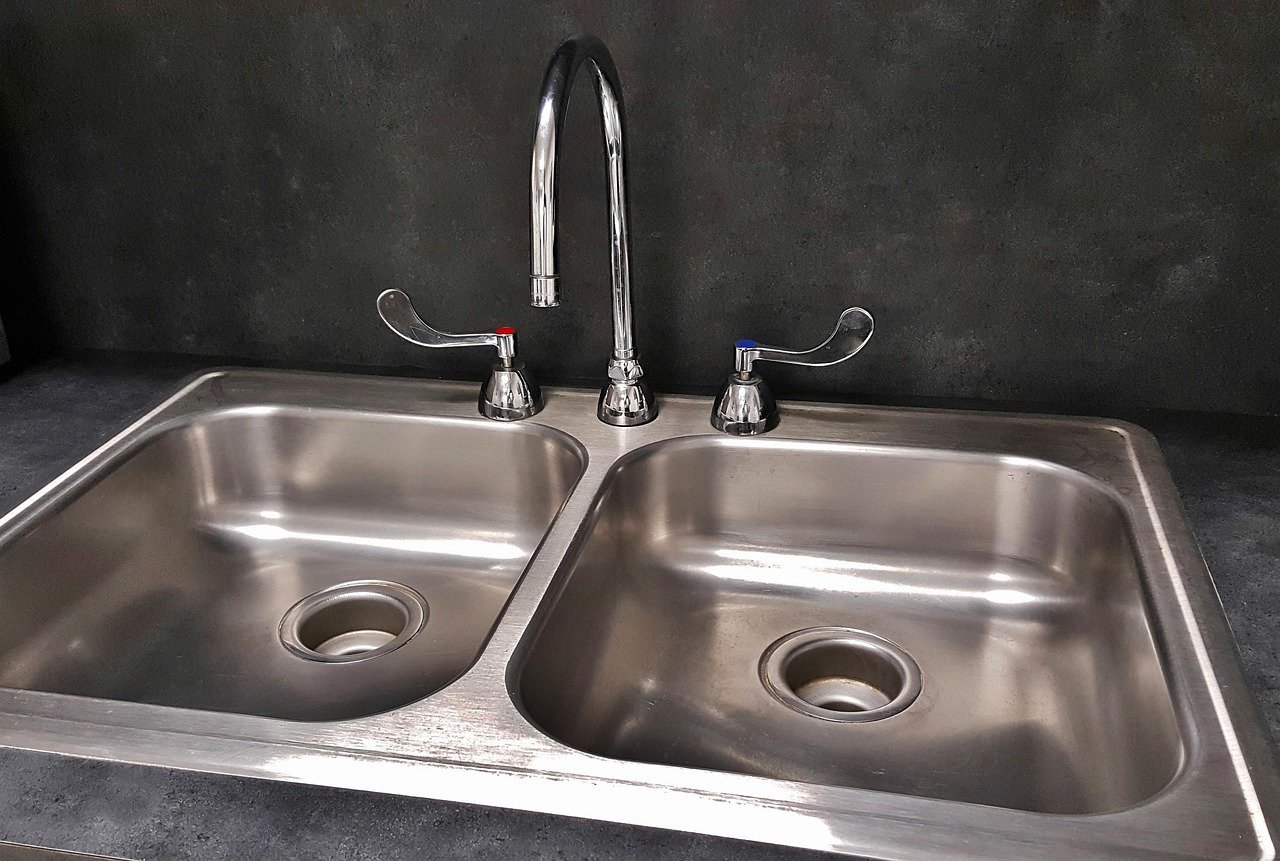
The word “stainless” is a promise about staining, not a guarantee against it. Stainless steel is a group of alloys. The two grades most common on kitchen appliances are 304 and 430.
| Feature | Grade 304 (18/8) | Grade 430 |
|---|---|---|
| Chromium | About 18% | Roughly 16 to 18% |
| Nickel | About 8% | Little or none |
| Magnetic | Weakly or not magnetic | Magnetic |
| Corrosion resistance | Stronger | Moderate |
| Typical use | Mid and upper-tier fronts | Budget appliance fronts |
Grade 304 resists corrosion better because of its nickel content. Grade 430 costs less and often shows up on entry-level ranges and fridge doors. Retailers rarely disclose which grade a given model uses, and that silence is one of the biggest gaps in the buying process. If corrosion resistance matters in your home, ask the manufacturer directly rather than guessing from the shine.
The protection comes from a thin chromium oxide layer that forms on the surface and repairs itself in air. Chlorides break that layer down. Salt, bleach, and some household cleaners are the usual culprits, and repeated exposure leads to pitting. This is why appliance care guidance warns against chloride cleaners and steel wool. A scratched or pitted surface cannot heal the way the oxide layer can.
Finishes: brushed, polished, and the fingerprint question
Finish matters as much as grade for how a kitchen looks after a month of cooking. Three finishes dominate:
- Brushed or satin. Fine directional grain. Hides small scratches well and is the most common appliance finish.
- Polished. Mirror-like and striking, but it shows every smudge and scratch.
- Fingerprint-resistant coatings. A applied top layer meant to reduce visible marks.
That last category deserves skepticism. There is no industry standard for “fingerprint-resistant.” It is a marketing term, and performance varies by brand and model. Some coatings genuinely help. Others simply change how light reflects. Treat the claim as a nice-to-have, not a reason to pay a premium.
Finish also affects cleaning. A brushed surface wants gentle wiping along the grain. A polished door wants a streak-free routine and more patience. If you want the full method, this guide on how to clean stainless steel so it stays streak free rust free covers the sequence that works. And if a scuff already happened, learn to polish stainless steel without wrecking finish before you reach for an abrasive.
Measure first: the step most buyers skip
Fit is the biggest practical risk in any package. Standard U.S. widths are commonly around 30 inches for ranges and 24 inches for dishwashers, but that is where the certainties end. Depth, height, door swing, and required clearances all vary by model.
Before ordering, confirm each of these:
- Opening width, height, and depth for every slot, measured at the tightest point, not the widest.
- Door swing and handle projection. A fridge that fits the gap can still block a walkway or a drawer.
- Clearance to walls and cabinets. Manufacturer installation instructions and local codes govern this, especially for gas ranges and over-range microwaves.
- Ventilation path. Recirculating versus vented hoods change what the microwave can do.
- Delivery route. Doorways, stairs, and tight corners have ended more packages than bad reviews.
A bundle discount evaporates fast if the fridge will not clear the doorway. Measure twice, and keep the spec sheets.
Energy labels apply per appliance, not per bundle
In the United States, the Department of Energy sets minimum efficiency standards for refrigerators, dishwashers, ranges, and microwaves. Each unit carries a yellow EnergyGuide label showing estimated annual energy use. A package has no rating of its own.
ENERGY STAR is a separate, voluntary labeling program. It sets qualification levels above the mandatory minimum for categories like refrigerators and dishwashers. Buying a package does not guarantee every unit qualifies. A bundle can easily contain one certified fridge and three appliances that miss the mark.
The practical move is simple: check the model number of each appliance against the label, not the package photo. A dishwasher that saves water and a fridge that sips electricity are worth more over ten years than a small upfront discount. If the retailer cannot list model numbers before you pay, that is a warning sign.
Warranties, service, and recalls
Warranties are issued per appliance and per brand. There is no standard package warranty. A single-brand set may align coverage periods, but it does not have to. A multi-brand set almost certainly means separate service networks, separate phone lines, and separate appointment windows.
Three checks pay for themselves:
- Coverage length by component. Compressors, sealed systems, and cosmetic parts often have different terms.
- Who services it. In-house technicians, authorized partners, or a third party. Ask before delivery day.
- Recall status. In the U.S., the Consumer Product Safety Commission maintains a public recall database. Search each model number. A recalled appliance is a safety issue, not a cosmetic one.
Keep every manual and warranty card in one folder, digital or paper. When a hinge fails in year three, you will not want to hunt for the paperwork.
Matching the package to how you actually cook
A beautiful set that fights your habits is a bad buy. Match the bundle to the kitchen’s real workload.
| Household pattern | Package priority | What to deprioritize |
|---|---|---|
| Frequent batch cooking | Strong range or cooktop, powerful hood | Fancy fridge displays |
| Small kitchen, light cooking | Slim depth fridge, quiet dishwasher | Double ovens |
| Busy family, daily dishes | Quiet, efficient dishwasher | Polished finishes |
| Rental or starter home | Durable brushed finish, simple controls | Smart features |
Small kitchens deserve special attention because every inch counts. If the space is tight, these small kitchen remodeling ideas budget smart upgrades that hold up in real use, and they pair well with slim appliances. Lighting matters too: under-cabinet strips can reveal every smudge on a new stainless door, so plan a led strip diffuser kitchen cabinets fix dots glare hotspots before the appliances arrive.
Common mistakes buyers make
Most package regrets trace back to a short list of avoidable errors.
- Buying the photo, not the spec sheet. The showroom set may use a higher grade or finish than the units shipped to your door.
- Assuming all stainless matches. Brushed grains run in different directions across brands. Two “stainless” doors can look mismatched side by side.
- Skipping the grade question. Grade 304 and grade 430 behave differently near salt and moisture. Ask.
- Ignoring noise ratings. Dishwasher decibel levels vary widely, and an open-plan kitchen hears everything.
- Forgetting the small stuff. Cords, plugs, water lines, and gas connections add cost and time.
- Cleaning with the wrong products. Chloride cleaners and abrasive pads damage the oxide layer. Mild soap, water, and a soft cloth do the job.
One more quiet trap: smart features that age badly. An app that stops updating turns a connected oven into a plain oven. Buy for the cooking, not the dashboard.
Costs, deals, and when a package is worth it
Packages usually win on price and visual consistency. They lose on flexibility. If one appliance in the set is mediocre, you live with it for a decade or pay to replace it early.
A few practical rules help:
- Compare the bundle price against the sum of the same models bought separately. Sometimes the “deal” is a bundle of older stock.
- Check the model year. Deep discounts often mean a line that is about to be replaced.
- Ask about delivery, haul-away, and installation. These fees can erase the savings.
- Buy the package when the kitchen needs a full reset. Buy individually when only one appliance is failing.
For anyone weighing kitchen conversions while planning the space, the same precision helps. A many tablespoons cup kitchen conversion that trips everyone is a reminder that small measurement errors compound, and appliance fit works the same way. So does the classic many oz cup answer that actually works kitchen question: get the units right before you commit. Even a many teaspoons tablespoon kitchen conversion that saves time in the kitchen echoes the same lesson. Measure, then buy.
A quick pre-purchase checklist
Run through this list before you sign:
- Model numbers for every appliance, written down.
- Grade and finish confirmed with the manufacturer, not assumed.
- Openings measured at the tightest point, including door swing.
- EnergyGuide labels checked per unit.
- Recall search done per model.
- Warranty terms and service contacts collected.
- Delivery route and installation fees confirmed in writing.
If a retailer cannot answer these, shop elsewhere. A package is a big purchase, and clarity is part of the product.
Conclusion
Stainless steel kitchen appliance packages can be a smart way to buy: consistent looks, a lower total price, and one delivery day. But the shine hides real differences. Grade 304 and grade 430 behave differently. Finishes vary, and “fingerprint-resistant” means whatever the brand wants it to mean. Energy ratings belong to individual appliances, warranties are per unit, and fit is decided by a tape measure, not a showroom photo.
The buyers who end up happiest are the ones who treat the package as a set of separate machines that happen to travel together. Check the spec sheets, ask about the steel grade, measure the openings, and verify each label. Do that, and the stainless set will look as good in year five as it did on delivery day.
FAQ
Are all stainless steel appliances the same grade?
No. Most kitchen appliances use either grade 304 or grade 430. Grade 304 contains nickel and resists corrosion better. Grade 430 costs less and is common on budget models. Retailers rarely disclose the grade, so ask the manufacturer if it matters to you.
Does a package come with one warranty?
Usually not. Warranties are issued per appliance and per brand. A single-brand package may align coverage periods, but it does not have to. A multi-brand package means separate warranties and separate service networks. Read each product’s terms.
Is ENERGY STAR certification included in a package?
Not automatically. ENERGY STAR is a voluntary program with qualification levels above the mandatory minimum. A bundle can include certified and non-certified units. Check the label on each model number rather than the package listing.
What does fingerprint-resistant stainless steel mean?
It is a marketing term, not a standard. Coatings vary by brand and model, and some work better than others. Treat the claim as a bonus feature and judge the appliance on grade, finish, and function instead.
How do I stop stainless steel appliances from rusting?
Keep chlorides away. Salt, bleach, and some cleaners break down the protective oxide layer and cause pitting. Wipe with mild soap and water using a soft cloth, dry along the grain, and avoid steel wool and abrasive pads.
Can I mix brands in a stainless steel package?
Yes, and many retailers build bundles that way to hit a price. The risk is mismatched brushed grains, different warranty terms, and separate service contacts. Compare the finish samples side by side before you commit.



