

What happens when your refrigerator quits in the middle of a Florida July, and the nearest big-box store is out of the model you want? That scenario plays out more often in Orlando than most people expect. Between a huge seasonal population, constant home turnover, and a hurricane season that runs from June 1 through November 30, kitchen appliances here live harder lives than appliances almost anywhere else in the country.
This guide is for anyone shopping for, replacing, or repairing kitchen appliances in the Orlando area. It covers what makes the local market different, how to choose appliances that survive Central Florida conditions, what installation and disposal actually involve, and the mistakes that cost homeowners the most money.
Why the Orlando Appliance Market Behaves Differently
Orlando is not a typical appliance market, and a few forces explain why.
Population churn drives replacement demand. The region has a large retiree population, a heavy seasonal-resident presence, and a steady flow of moves and rentals. Every move-in and move-out tends to trigger appliance replacement or repair decisions. Rental property managers in particular buy in volume, which shapes what local dealers stock.
Storm season shortens appliance lifespans. Power surges during thunderstorms and tropical systems are a recognized cause of control-board failures in refrigerators, ranges, and dishwashers. Modern appliances pack sensitive electronics into small boards, and one good surge can take out a $400 control module. Flooding and water intrusion create a second wave of failures and insurance claims.
Humidity is a quiet killer. Central Florida’s humidity stresses door gaskets, promotes mold in poorly ventilated refrigerator compartments, and corrodes contacts over time. Appliances rated for dry climates sometimes underperform here.
Home turnover means warranty paperwork gets lost. When a house sells, the appliance warranty often does not transfer cleanly, and new owners end up paying for repairs that were still covered.
Matching Appliances to Real Orlando Kitchens
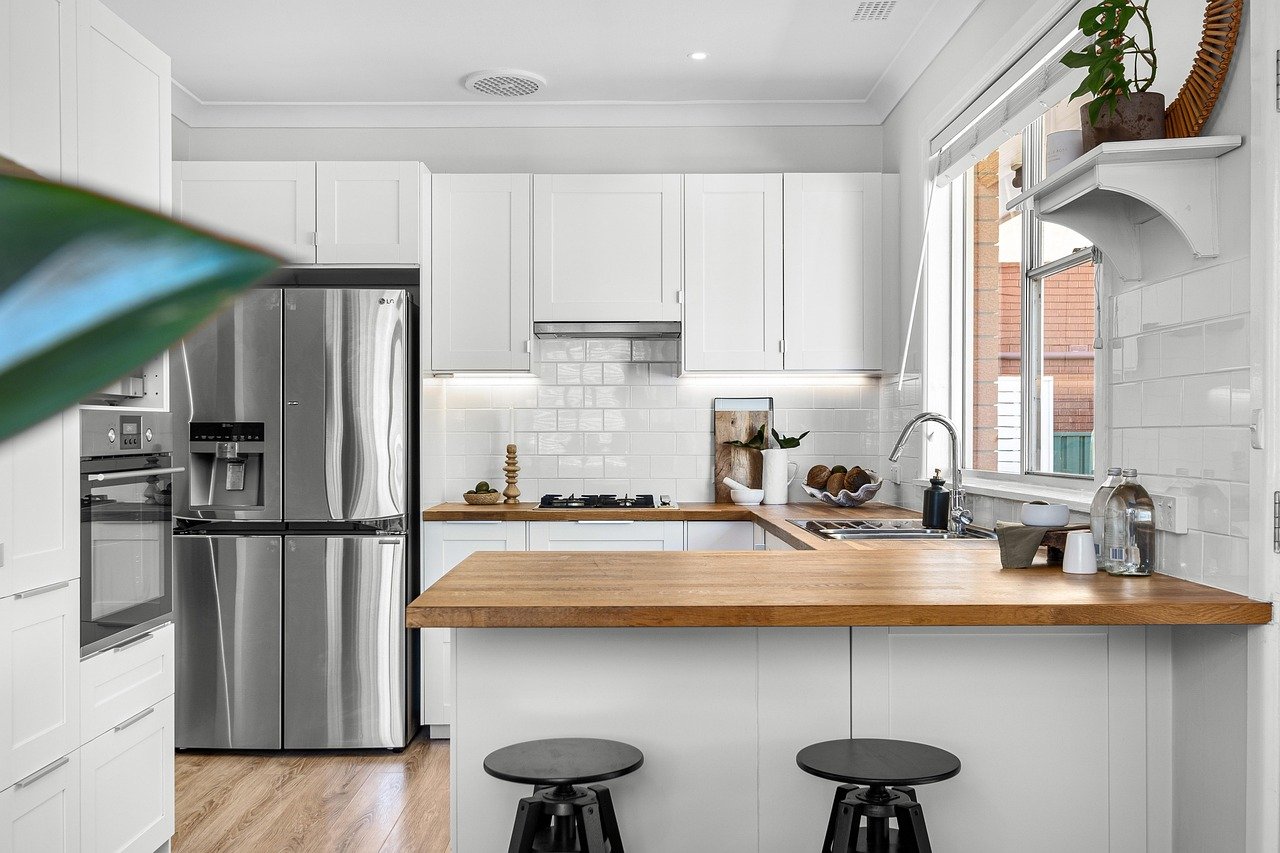
Many Orlando homes, especially in newer subdivisions and rental conversions, have compact kitchens where every inch counts. If space is tight, it pays to plan the layout before you shop. Practical guidance on small kitchen remodeling ideas budget smart upgrades that hold up over time can help you avoid buying an appliance that technically fits but leaves no room to open the door.
Counter depth versus standard depth is the single most common regret. A standard-depth refrigerator can jut four to six inches past the counter line, which is fine in a wide galley kitchen and miserable in a tight one. Measure the opening, the door swing, and the path through doorways before you commit.
Lighting matters too. Under-cabinet LED strips are popular in Orlando kitchens, and glare problems are common when the strips are exposed. If you are adding lighting as part of an appliance refresh, the fix for led strip diffuser kitchen cabinets fix dots glare hotspots is cheap and worth doing before the new range goes in.
What to Look For in Each Major Appliance
Refrigerators
Look for a unit with a sealed, well-insulated door and a compressor that is serviceable locally. Residential refrigerators have largely shifted to R-600a (isobutane) refrigerant in recent years, which changes who can legally service and dispose of them. Ask the dealer directly: who repairs this model in Orlando, and how long do parts take to arrive?
Ranges and Ovens
Gas ranges require proper venting and permitting under the Florida Building Code’s fuel gas provisions. Electric and induction models avoid that hassle. Induction is worth a serious look in Florida homes because it adds far less ambient heat to a kitchen that already fights the afternoon sun.
Dishwashers
Dishwasher efficiency standards were tightened in 2013, so almost any new unit beats a decade-old model on water and energy use. Check the door seal quality carefully; humidity and heat cycling are hard on gaskets.
Microwaves and Vent Hoods
Recirculating hoods are common in Orlando rentals because they avoid ductwork. They filter grease but do not vent moisture, which matters in a humid climate. If you can duct to the outside, do it.
New, Scratch-and-Dent, or Refurbished?
Orlando has a wide spread of options, from national chains to local independent dealers to scratch-and-dent outlets. Here is how they compare in practice.
| Option | Typical savings | Main risk | Best for |
|---|---|---|---|
| New from a big-box store | None to modest | Delivery delays, limited service | Buyers who want full warranty and easy returns |
| New from a local dealer | Small, but negotiable | Smaller inventory | Buyers who value service and installation help |
| Scratch-and-dent | 15 to 40 percent | Cosmetic damage, shorter warranty | Rentals and budget remodels |
| Refurbished | 20 to 50 percent | Unknown repair history | Second units, garage fridges, temporary setups |
The scratch-and-dent route is genuinely good in this market because so much inventory moves through the region. Inspect the unit in person, confirm the warranty terms in writing, and test every function before it leaves the lot.
Energy Costs and the Efficiency Question
Efficiency labels matter more in Florida than in mild climates because air conditioning has to remove every watt of heat an appliance dumps into the kitchen. A refrigerator that runs constantly is fighting both the room temperature and the compressor’s own heat output.
The federal Magnuson-Moss Warranty Act, enacted in 1975, governs written warranties on consumer appliances and requires clear disclosure of terms. That matters when a dealer offers an extended plan: read what is actually covered, especially for cosmetic damage and labor.
A simple rule that works: spend the efficiency premium on the appliances that run the most hours. That means the refrigerator first, the dishwasher second, and the range last. A range that runs 45 minutes a day will never repay a large efficiency upgrade.
Installation, Permits, and the Local Rules
Installation is where Orlando buyers most often get surprised.
- Confirm who pulls the permit. Gas appliance installation and venting fall under the Florida Building Code, and permits are issued by the City of Orlando or Orange County depending on jurisdiction. Ask the installer in writing who is responsible.
- Check the electrical circuit. Older Orlando homes sometimes have a 240-volt range circuit that does not match a new induction or dual-fuel model. An electrician visit is cheaper than a return.
- Measure the delivery path. Narrow hallways, elevator buildings, and courtyard entries cause more failed deliveries than bad product choices.
- Test on delivery day. Run the ice maker, open and close every door, and confirm the oven heats. Reporting a defect within the delivery window is far easier than a week later.
- Keep the paperwork together. Photograph the model and serial plate and store it with the receipt. Warranty claims go much faster with that photo.
Repair or Replace?
The ten-year rule still holds up reasonably well, but Orlando conditions shift the math. Storm-surge damage, salt air near the coast, and heavy rental use all shorten service life. A useful decision framework:
| Situation | Better choice |
|---|---|
| Unit under 6 years old, repair under 30 percent of replacement cost | Repair |
| Unit over 10 years old with a failed compressor or control board | Replace |
| Repeated failures after a storm | Replace, and add surge protection |
| Cosmetic damage only | Live with it or repair |
| Refrigerant leak in a sealed system | Get a quote first; costs vary widely |
One practical tip that saves real money: install a whole-home surge protector or at minimum a quality point-of-use protector on the refrigerator circuit. It is a small cost against a control board replacement.
Disposal and the Rules People Forget
You cannot legally put a refrigerator at the curb and walk away in most Florida jurisdictions. Refrigerators require refrigerant recovery before scrapping, and local bulky-item rules vary by city and county. Schedule pickup, ask the dealer about haul-away, and confirm whether the haul-away includes proper refrigerant handling. If you are replacing several appliances at once, bundling haul-away into the delivery is usually the cheapest path.
Common Mistakes Orlando Buyers Make
Buying on price alone and skipping the service question. The cheapest unit is expensive if the nearest authorized repair tech is 40 miles away and parts take three weeks.
Ignoring the warranty transfer rules. If you buy a home with newer appliances, ask for the warranty documents. Many are transferable, but only if the paperwork exists.
Skipping the surge protection. This is the highest-return $50 a homeowner can spend in Central Florida.
Forgetting the kitchen conversion math. Small things add up. If you are swapping recipes and scaling batches while setting up a new kitchen, the answer to many oz cup answer that actually works kitchen is worth having on hand, along with a clear grasp of many tablespoons cup kitchen conversion that trips everyone and the many teaspoons tablespoon kitchen conversion that saves cooks real time when a new oven runs hotter than the old one.
Overbuying features. Wi-Fi-connected appliances are convenient until the module fails out of warranty. Ask what the app actually does and whether the appliance works fully without it.
Where Local Knowledge Pays Off
Orlando buyers benefit from talking to people who work in the market every day: independent dealers, appliance repair techs, and property managers. A repair tech will tell you which brands they see least often, which is often more useful than any review score. A property manager will tell you which models survive tenants.
It also helps to understand how the broader local market treats big-ticket purchases, since the same research habits apply. Buyers comparing major purchases often read up before committing, the way shoppers read orlando magic vs detroit pistons match player stats to judge performance rather than trusting a headline. The same instinct applies to a $2,000 refrigerator: check the service record, rather than the sticker alone.
For households that also run a second vehicle for hauling appliances and lumber, understanding dealer service expectations helps. Anyone who has dealt with land rover dealer service departments knows the value of asking about loaner vehicles and parts timelines before committing, and appliance dealers operate on similar principles. The same forward-planning mindset applies to big purchases generally, whether you are weighing what 2027 land cruiser buyers can realistically expect or deciding whether to repair or replace a fifteen-year-old wall oven.
Conclusion
Kitchen appliances in Orlando demand a different kind of shopping discipline. The climate is hard on electronics, the storm season is long, the population moves constantly, and the rules around gas installation and refrigerant disposal are real. None of that is a reason to overpay. It is a reason to ask better questions before you buy.
Measure the space, confirm who services the model, budget for surge protection, and read the warranty terms in writing. Do those four things and the appliance you buy in Orlando is far more likely to still be running when you sell the house. The buyers who get burned are almost always the ones who treated an appliance like a simple price comparison. Treat it like a ten-year decision instead, and the math works out in your favor.
FAQ
How long do kitchen appliances typically last in Orlando?
Most major appliances last 10 to 15 years under average use, but Orlando conditions push that toward the lower end. Storm-related power surges, high humidity, and heavy rental turnover all shorten service life. A refrigerator with good surge protection and regular coil cleaning can still reach 12 to 15 years.
Do I need a permit to install a gas range in Orlando?
Gas appliance installation and venting fall under the Florida Building Code, and permits are issued by the City of Orlando or Orange County depending on jurisdiction. Requirements vary by project scope, so confirm with the city or county before installation and ask your installer in writing who is pulling the permit.
Is it worth buying scratch-and-dent appliances?
Often, yes. Scratch-and-dent inventory moves quickly through the Orlando market, and discounts of 15 to 40 percent are common. Inspect the unit in person, test every function, and get the warranty terms in writing before it leaves the lot. They are a strong choice for rentals and budget remodels.
What should I do with my old refrigerator when replacing it?
Refrigerators require refrigerant recovery before scrapping, so curbside disposal is usually not allowed. Schedule a bulky-item pickup through your local jurisdiction, or use the dealer’s haul-away service and confirm it includes proper refrigerant handling. Bundling haul-away with delivery is typically the cheapest option.
How much can I save with an energy-efficient appliance in Florida?
Savings depend on the appliance, but the refrigerator matters most because it runs constantly and its waste heat makes your air conditioner work harder. Spend the efficiency premium on the refrigerator and dishwasher first. A range that runs under an hour a day rarely repays a large efficiency upgrade.
Should I repair or replace a broken appliance?
Use the ten-year rule as a starting point. If the unit is under six years old and the repair costs less than about 30 percent of replacement, repair it. If it is over ten years old and the compressor or control board has failed, replacement usually wins, especially after storm-related damage.



