What if the vacuum you already own is quietly failing at the one job that matters most? Most people judge a vacuum by how loudly it roars to life or how hard it pulls at a curtain hem. But cleaning performance is not the same thing as suction. The best cleaning vacuum cleaner is the one that removes the most dust from the surfaces you actually live on, without pushing that dust back into the air or demanding an hour of your weekend in maintenance. (Robot vacuum cleaning solution alternatives that actually)
That distinction matters more than any spec sheet suggests. A machine can have impressive airflow and still leave a fine layer of grit behind on carpet, because dust removal depends on brush design, airflow path, and how well the head seals against the floor. This guide breaks down what genuinely separates a strong cleaner from a loud one, where shoppers go wrong, and how to match a vacuum to your floors, your allergies, and your patience for emptying bins. (Best robot vacuum mop combos actually cleans floor)
Why “Best” Depends on What You’re Cleaning
There is no single champion vacuum, and any list that names one is probably selling something. A machine that excels on plush carpet may smear dust across hardwood. A lightweight cordless stick that’s brilliant for a quick kitchen sweep can run out of charge halfway through a staircase.
The practical starting point is an honest floor audit. Walk through your home and count roughly what share of square footage is carpet, what share is hard flooring, and how much is stairs or upholstery. That ratio should drive the decision far more than brand loyalty. Hard floors generally want a soft-roller or brush-bar head that sweeps debris without scattering it, while carpet needs a motorized brush bar that agitates fibers and lifts embedded grit. Buying one head type and expecting it to do both jobs well is one of the most common mistakes people make.
Suction Is Not the Same as Cleaning Power
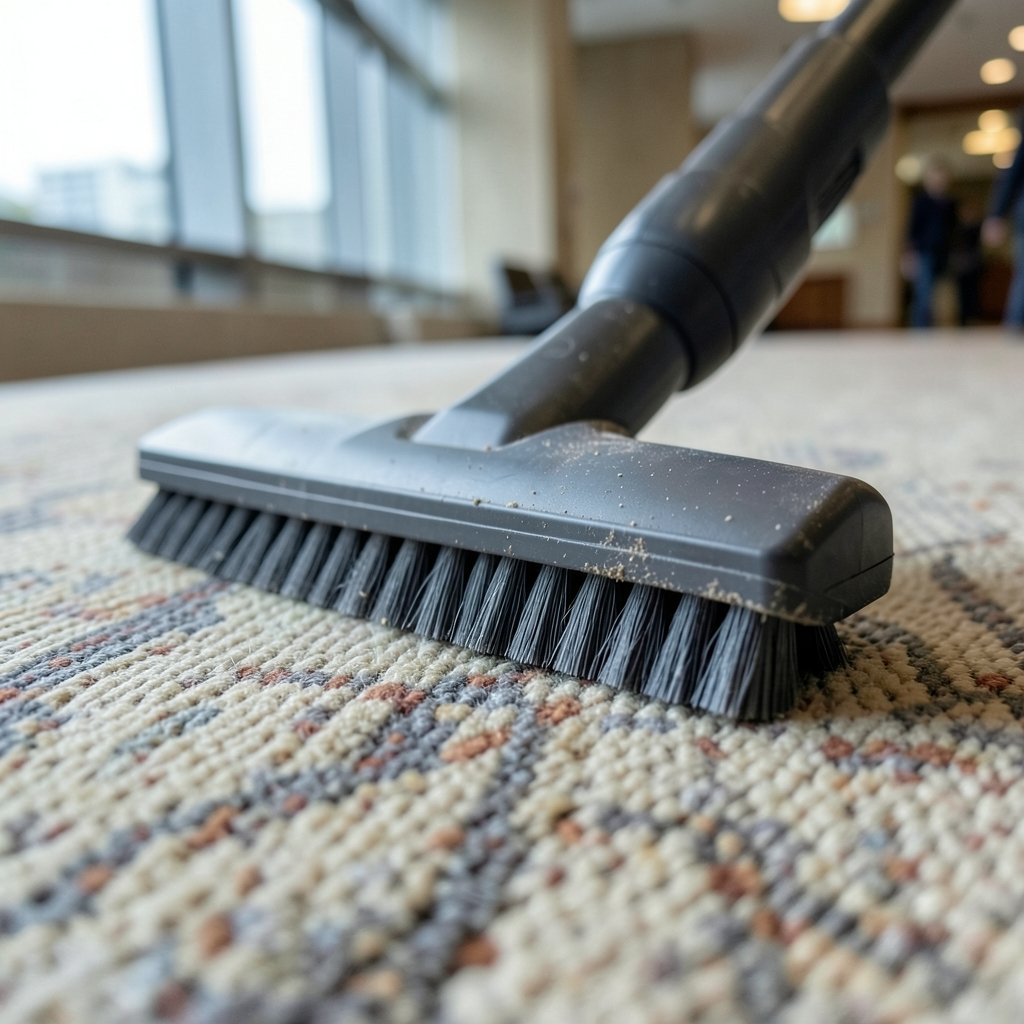
Here’s the fact that reframes the whole shopping trip: carpet cleaning performance is measured by dust removal, not by suction. The international standard that underpins laboratory dust-removal testing defines how much dust a vacuum pulls out of carpet under controlled conditions. Two machines with identical suction numbers can post very different dust-removal results. (Robot vacuum cliff sensors fail black carpet works)
In practice, this means a few things for buyers:
- Airflow and head design matter as much as motor power. A powerful motor feeding a poorly sealed head wastes its effort.
- Higher wattage is not a shortcut. More power often just means more noise and faster battery drain.
- Test results beat marketing claims. Look for independently measured dust removal rather than a big number on the box.
There’s a wrinkle worth knowing. The EU energy label for vacuum cleaners, introduced in 2013 with its A-to-G efficiency grades, was annulled by the General Court of the EU in November 2018. Many older buying guides still quote those letter grades as if they mean something. They don’t anymore. If a review leans heavily on an energy rating, treat it as dated.
Bagged or Bagless: The Trade-Off Nobody Explains Well
The bagged-versus-bagless debate generates more heat than light. Neither design wins outright; they simply shift the burden.
| Factor | Bagged vacuum | Bagless vacuum |
|---|---|---|
| Dust release when emptying | Lower, since dust stays sealed in the bag | Higher, as debris drops into an open bin |
| Ongoing cost | Replacement bags add up | No bags, but filters need cleaning or replacing |
| Maintenance effort | Swap the bag and go | Empty bin, wash or replace filters regularly |
| Performance over time | Consistent until the bag fills | Can drop as filters clog if neglected |
For anyone with dust sensitivities, the bagged design has a real edge because emptying a bin tends to puff fine dust back into the room. Bagless owners can offset this by emptying outdoors or into a lined bag, and by staying on top of filter care. The performance drop from a clogged filter is one of the most underrated reasons people conclude their vacuum “stopped working” when it really just needs a wash.
Filtration: What “HEPA” Actually Promises
If anyone in the household has asthma or a dust-mite allergy, filtration deserves serious weight. Public-health guidance generally favors HEPA-filtered vacuums for these households, because the filter traps fine particles that would otherwise be recirculated into the air you breathe.
But here’s the catch: HEPA is defined by standards, not by a marketing word. European standard EN 1822 sets HEPA classes such as H13 and H14 by particle capture efficiency, and a vacuum advertised as “HEPA” may not actually meet H13. Definitions also vary between regions, so there is no single universal legal meaning worldwide. A shopper’s move is to look for a stated class or an independently tested filtration claim rather than trusting the badge alone.
Filtration and floor type also interact. Fine dust needs a sealed system and a good filter; pet hair needs a motorized pet tool with bristles that grab rather than scatter. These are different problems, and a vacuum that solves one may not solve the other.
Cordless Runtime Claims: Do the Math Before You Buy
Cordless vacuums have transformed quick cleaning, and their runtime figures deserve skepticism. Manufacturer runtime claims are typically measured at the lowest power setting. Real cleaning time is shorter, often much shorter, once you switch to the high mode you actually need for carpet.
A sensible approach is to halve the advertised maximum runtime and ask whether that still covers your home. If a stick claims 60 minutes, plan for something closer to 20 to 30 minutes of genuine cleaning at useful power. For whole-home deep cleans, a corded canister or upright usually remains the more reliable tool, with a cordless stick as the companion for daily touch-ups.
Battery age matters too. Lithium cells lose capacity over a few years, so a cordless vacuum is a longer-term commitment than its sticker price suggests.
Match the Machine to the Mess
Different messes call for different tools, and the best cleaning vacuum cleaner setup is often two machines rather than one compromise. Here’s how the pieces map to common problems.
| Cleaning challenge | What actually works |
|---|---|
| Wall-to-wall carpet with embedded grit | Corded upright with a motorized brush bar |
| Hard floors and tile | Soft-roller head that sweeps without scattering |
| Pet hair on sofas and stairs | Motorized pet tool with bristle agitation |
| Fine dust and allergens | Sealed system with genuine HEPA-class filtration |
| Daily crumbs and quick tidy-ups | Lightweight cordless stick |
| Long human hair tangling brushes | Models with anti-tangle brush designs |
Long hair is its own category. Hair wraps around brush bars and slowly strangles airflow, which is why households with long-haired residents should prioritize anti-tangle designs and get into the habit of checking the brush regularly. A few minutes with scissors every couple of weeks prevents the slow performance decline that frustrates so many owners.
Features Worth Paying For (and Ones to Skip)
Vacuum marketing is a masterclass in upselling. Some features genuinely earn their keep; others are decoration.
Worth the money:
- A motorized brush bar for carpet, because agitation is what lifts embedded dust.
- Genuine sealed filtration for allergy households.
- A crevice tool and upholstery tool included as standard, since edges and stairs are where dust hides.
- Reasonable weight and a comfortable handle, because a vacuum you dread carrying stays in the closet.
Often not worth it:
- App connectivity and cleaning maps on a machine you push by hand.
- Enormous dust bins that make the vacuum heavy to carry upstairs.
- Suction figures with no context, since dust removal is the number that matters.
Maintenance Habits That Keep Performance High
Even a top-tier vacuum degrades quietly if neglected. The single biggest performance killer is a clogged filter, followed closely by a hair-wrapped brush bar and an overfilled bin that restricts airflow.
A simple routine keeps a vacuum close to its test-day performance:
- Empty the bin or change the bag when it reaches about two-thirds full, not when it’s packed.
- Wash or replace filters on the schedule the manual specifies, and let washable filters dry fully before refitting.
- Cut hair and thread off the brush bar every few weeks.
- Check the hose and head for blockages when suction seems weaker than usual.
- Store the vacuum somewhere dry, with the battery at a moderate charge if it’s cordless.
Most “my vacuum lost suction” complaints trace back to one of these five items rather than a broken motor.
Common Buying Mistakes to Avoid
A few traps catch nearly everyone at some point.
Trusting the loudest demo. In-store suction demos flatter machines that move a lot of air but don’t necessarily remove the most dust from carpet.
Ignoring the floor mix. Buy for the majority of your square footage and accept that the minority will need a different head or a second machine.
Overlooking weight and storage. A heavy upright that lives in a garage rarely gets used on the second floor.
Assuming cordless means whole-home. Cordless excels at daily tidying, not deep cleaning of a large carpeted house.
Skipping the manual. Filter schedules and brush-cleaning instructions exist for a reason, and following them is free performance.
Conclusion
The best cleaning vacuum cleaner isn’t the loudest, the most expensive, or the one with the longest feature list. It’s the machine whose head matches your floors, whose filtration matches your household’s health needs, and whose maintenance routine you’ll actually keep up with. Judge candidates by measured dust removal rather than suction hype, treat energy-label grades with suspicion given the 2018 annulment, and read runtime claims as best-case numbers measured at low power. Get those fundamentals right, add a motorized brush for carpet and a soft roller for hard floors, and you’ll spend less money and far less weekend time chasing dust that never quite disappears.
Frequently Asked Questions
Is a more expensive vacuum always better?
No. Price often reflects build quality, filtration, and included tools, but it doesn’t guarantee better dust removal on your specific floors. A mid-priced machine with the right head for your carpet can outperform a premium model built for hard floors. Match the tool to the surface first, then let budget decide within that category.
How often should I replace a vacuum filter?
Follow the manufacturer’s schedule, which is usually every few months for washable filters and longer for replaceable ones. In homes with pets, heavy carpet, or allergy sufferers, check more often. A filter that looks gray and matted is already restricting airflow, and washing it restores performance noticeably.
Do I really need a HEPA filter?
It depends on the household. Public-health guidance favors HEPA filtration for people with asthma or dust-mite allergies, because it traps fine particles instead of recirculating them. For homes without sensitivities, strong multi-layer filtration may be sufficient. If you do buy HEPA, look for a stated class such as H13 rather than trusting the word alone.
Can one vacuum handle both carpet and hard floors?
Many canisters and uprights ship with switchable heads, and some do both jobs competently. The compromise usually shows up in edge cleaning or on plush carpet, where a dedicated motorized brush performs better. If your home is split roughly evenly between surfaces, a two-machine setup often delivers better results than one do-everything model.
Why does my cordless vacuum die so fast?
Runtime claims are typically measured at the lowest power setting, so real cleaning time at high power is much shorter. Battery age, cold storage, and heavy use of boost mode all cut runtime further. If a full charge no longer covers one floor of your home, the battery may be nearing the end of its useful life.
Is bagless cheaper in the long run?
Not automatically. Bagless designs avoid bag costs but require filter cleaning and occasional filter replacement, plus more careful emptying to avoid dust clouds. Bagged models cost more per bag but tend to release less dust when emptied and hold performance steady until the bag fills. The cheaper option depends on how diligently you maintain the machine.