Is your house cold, your radiators lukewarm, or your furnace making a noise it never made before? Heating repair is one of those jobs where a five-minute check can save you a hundred dollars, and where ignoring a small symptom can turn into a weekend without heat. The trick is knowing which problems you can solve yourself and which ones need a trained technician.
This guide walks through the whole process the way a good service call actually unfolds: what to check first, what the symptoms usually mean, how a technician diagnoses the fault, and how to avoid paying for work you don’t need.
Start With the Simple Causes Before You Assume the Worst
Most “broken” heating systems aren’t broken at all. They’re switched off, starved of power, or running on a schedule nobody reset.
If you’ve been away for a weekend or a longer break, your thermostat may still be sitting at the low setting you left it on. That single oversight explains a surprising share of cold-house calls. Before you panic, confirm three things: the thermostat is set above the current room temperature, the heating schedule is actually active, and the boiler or furnace has power.
Safety comes first, though. If you smell gas, see soot around the appliance, or notice water pooling near electrical parts, stop and call a professional immediately. A boiler failure’s urgency depends on its symptoms, any associated leaks, and whether the appliance could be unsafe. Do not start poking at gas components to save a callout fee.
Match the Symptom to the Likely Cause
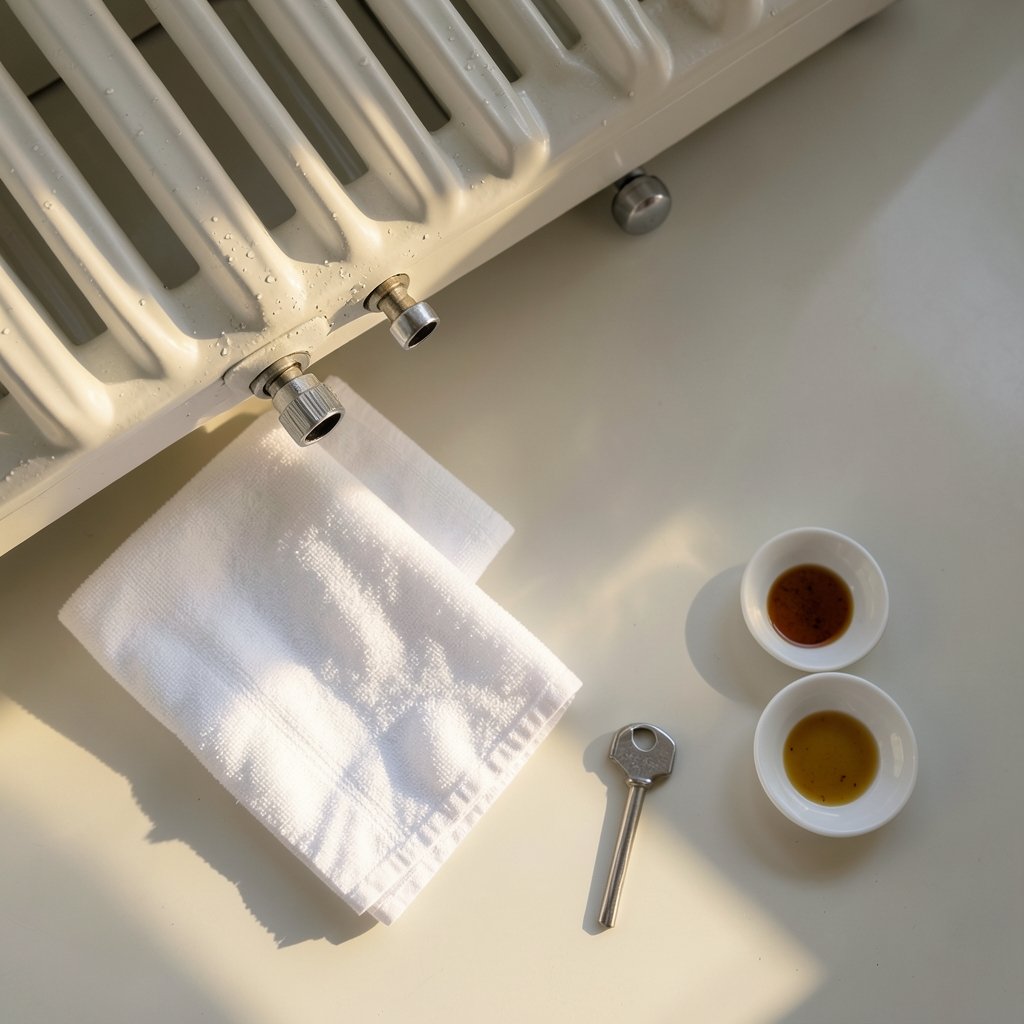
Different failures leave different fingerprints. Here’s how the common complaints usually map out.
| Symptom | Most likely cause | Who should fix it |
|---|---|---|
| One radiator cold, rest warm | Trapped air, closed valve, sludge | Homeowner, then a technician |
| Whole house cold, boiler firing | Pump, diverter valve, controls | Technician |
| Boiler silent, no display | Power, schedule, meter credit | Homeowner check first |
| Furnace starts then stops | Flame sensor, pressure switch, limit | Technician |
| Weak airflow from vents | Blower motor, clogged filter | Homeowner filter, technician motor |
| Banging or gurgling pipes | Air or pressure issues | Technician |
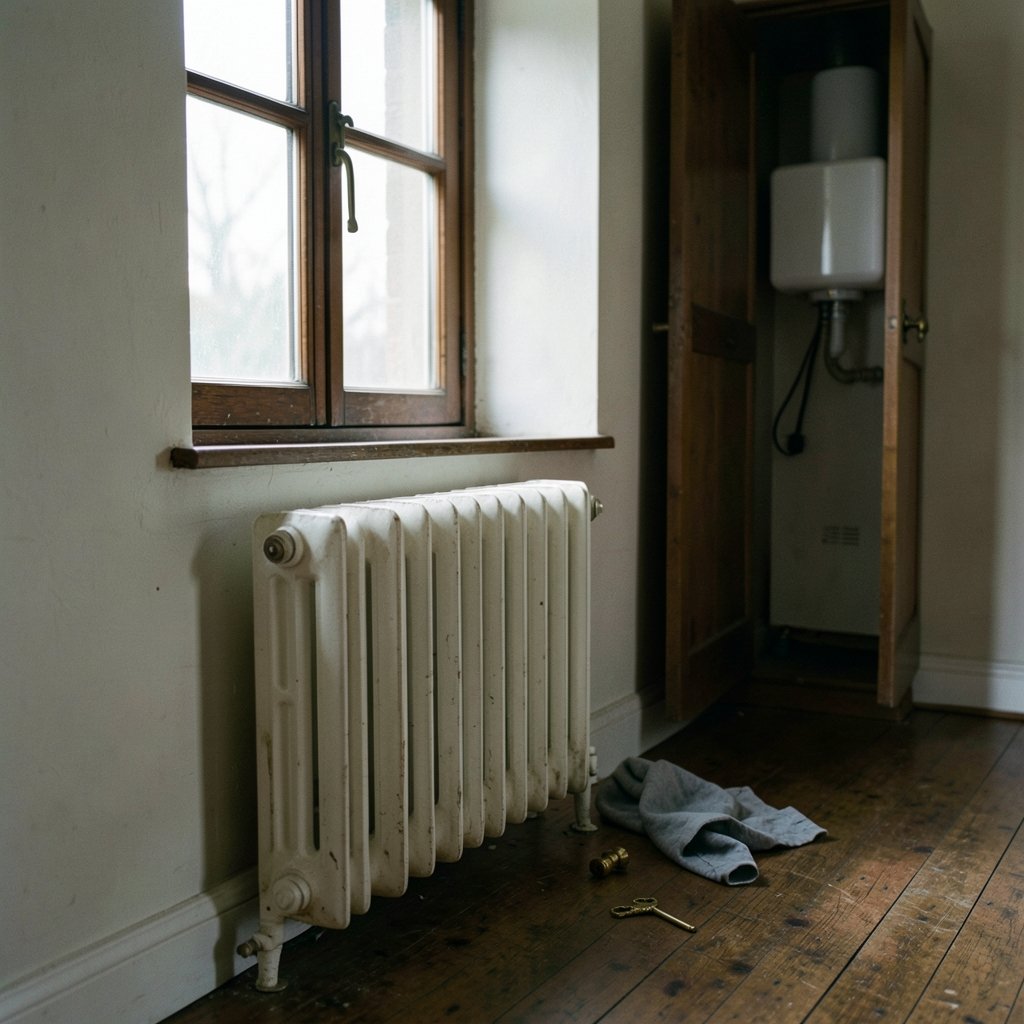
The single cold radiator is the most misunderstood case. If one radiator isn’t heating while the rest of the house is warm, the boiler is usually fine. The problem is almost always at that radiator or the pipe feeding it: trapped air, a valve that’s closed or stuck, sludge inside the radiator, or a system that isn’t sending that radiator its share of hot water. Several of those are things you can check yourself in a few minutes. If more than one area is cold, or the whole house is, the fault sits further back in the system.
The Radiator Mistakes That Keep Rooms Cold
Radiators are simple devices, which is exactly why small mistakes have big effects. A few of the most common ones:
- Pushing furniture against the radiator. Heat needs to rise and circulate. A sofa blocking the front turns a radiator into a decorative panel.
- Never bleeding the system. Air collects at the top of radiators over time and creates cold patches. Bleed them when the top is cold and the bottom is warm.
- Ignoring boiler pressure. Too low and the system won’t circulate properly; too high and safety devices may trip.
- Turning down the wrong setting. Many people adjust a room thermostat when the real issue is a radiator valve, or vice versa.
- Forgetting to reset after time away. Holiday settings stay in place far longer than intended.
None of these require tools beyond a radiator key and a few minutes of patience. What they require is a habit of checking them before assuming the worst.
How a Heating Technician Actually Diagnoses a Fault
Good diagnosis follows a sequence, and the sequence itself tells you where the problem lives. On a gas furnace, the order of operations is short and predictable: a call for heat, limit and pressure switch checks, the inducer starting, igniter warm-up, the gas valve opening, flame proving, and finally the timed blower. When a furnace stops partway through that sequence, the stopping point tells you exactly where to look.
Experienced techs start with their senses rather than their meters. They look, listen, and smell, and they ask the homeowner what they experienced before touching a tool. Only then do instruments confirm what observation suggested. That approach matters because it catches things a meter never will, like a flue that smells wrong or a blower that sounds tired.
A structured service visit typically covers:
- Diagnosis. Inspecting the system, checking for unusual noises, smells, or malfunctions, and running diagnostic tests to pinpoint the issue.
- Component repair or replacement. Common culprits include thermostats that need recalibration or replacement, failed igniters, pilot lights, flame sensors, gas valves, blower motors, and heat exchangers.
- Safety inspection. A cracked heat exchanger is a serious safety concern that requires immediate attention and often replacement.
- Verification. Running the repaired system through two or three cycles to confirm it behaves normally.
That last step is worth demanding. A system that fires once in front of you but fails at 6 a.m. the next day wasn’t fixed.
Thermostats, Ignition, and Airflow: Where Repairs Concentrate
Three areas account for most heating repairs, and each behaves differently.
Thermostats cause temperature control problems, short cycling, or complete failures. Sometimes the fix is recalibration; sometimes it’s replacement. Smart thermostats add convenience but also add failure points, including wiring and configuration errors.
Ignition systems are where gas furnaces most often fail. Failed igniters, dirty flame sensors, and faulty gas valves all prevent the furnace from starting properly. A flame sensor that’s merely coated in residue can mimic a dead component, which is why cleaning and testing come before replacing.
Airflow problems show up as weak heat, unusual noise, or a blower that won’t stop. Blower motor faults reduce circulation, and a clogged filter does the same thing for free. If your heating is weak but the system runs constantly, check the filter before booking anything.
For appliances that combine heating with other functions, the repair logic shifts. If a heat pump is cycling erratically or a ducted system fails to heat, the fault could be electrical, a sensor, or a major component like a compressor or motor. That’s beyond DIY territory.
It’s also worth knowing when a repair isn’t the right answer. A motherboard-level fault, for instance, raises the same question as any electronics repair: is the board worth fixing or is replacement smarter? The same judgment applies to heating controls. If you’re weighing that decision on other equipment, this guide to motherboard repair when dead board worth fixing walks through the cost logic.
What Heating Repair Costs and How to Avoid Overpaying
Pricing structures vary widely, but the pattern is consistent. Expect a diagnostic fee, then either a flat-rate price per repair or an hourly rate plus parts. Some companies charge more for evenings, weekends, and holidays. Ask for the diagnostic fee and the repair price in writing before work starts.
A few practical rules keep costs sane:
- Get the diagnosis explained. Ask which component failed and why, and ask for the total as well.
- Ask whether the part is stocked. Trucks stocked with common parts mean most repairs finish in one visit instead of two.
- Compare repair against replacement honestly. A 15-year-old furnace with a failed heat exchanger is a different decision from a five-year-old unit with a bad igniter.
- Never accept a quote given before anyone has looked at the system. Phone estimates for heating faults are guesses.
The same overpaying traps show up across repair trades. If you’ve ever wondered whether a repair quote was fair, the principles in this piece on laptop repair, pricing it and avoiding getting ripped off apply almost word for word to heating: get the fault named, get the price fixed, and don’t pay for parts that weren’t tested.
When to Call a Professional Immediately
Some situations don’t wait for a convenient appointment.
Call right away if you smell gas, if there’s a carbon monoxide alarm, if you see a cracked or corroded heat exchanger, if the appliance has visible soot, or if water is leaking near electrical components. These are safety issues, not comfort issues.
For everything else, urgency depends on circumstances. Overnight breakdowns feel worse than they are, and not every interruption means the boiler itself is broken. A power cut, a heating schedule that switched off, a thermostat setting, or insufficient credit on a prepayment meter can all stop the heating from working as expected. Check those first, then call.
When you do call, have the make and model ready, describe the symptoms precisely, and mention any fault code on the display. That information shortens the visit and often shortens the bill.
If your problem is actually with a different appliance, don’t force it into a heating call. A failed dishwasher, for example, is a separate trade and a separate quote. This guide on finding a dishwasher nearby, repair parts or a new unit fast covers that decision properly.
Maintenance That Prevents Most Emergency Calls
The cheapest heating repair is the one you never need. A short seasonal routine covers most of it:
- Replace or clean filters on schedule.
- Bleed radiators at the start of the heating season.
- Check boiler pressure against the manufacturer’s recommended range.
- Keep vents, radiators, and outdoor units clear of furniture, dust, and debris.
- Book a service visit before the first cold snap, not during it.
- Test carbon monoxide alarms monthly.
Technicians also recommend cycling a system after any repair to learn what normal sounds and looks like. Familiarity is a diagnostic tool. Homeowners who know their system’s normal behavior spot problems earlier, when they’re cheaper to fix.
Conclusion
Heating repair rarely starts with a broken machine. It starts with a thermostat left on holiday mode, a radiator full of air, or a filter nobody changed. Check the simple causes, match the symptom to the likely fault, and know the safety lines you should never cross. When a technician does arrive, ask what failed, why it failed, and how the repair was verified. That combination keeps your home warm and your repair bill honest.
FAQ
Why is one radiator cold while the rest of the house is warm?
The boiler is usually fine in this situation. The problem sits at that radiator or the pipe feeding it: trapped air, a closed or stuck valve, sludge inside the radiator, or a system not sending that radiator its share of hot water. Bleed the radiator and check the valve first.
Can I fix a heating fault myself?
You can handle air bleeding, filter changes, thermostat settings, pressure checks, and clearing blocked vents. You should not touch gas valves, ignition components, heat exchangers, or anything involving a gas smell. Those require a qualified technician.
How much does a heating repair cost?
Costs vary by region, system type, and the failed component. Most companies charge a diagnostic fee plus a flat-rate or hourly repair price, with surcharges for evenings, weekends, and holidays. Always ask for the diagnostic fee and repair price before work begins.
How long should a heating repair take?
Many common repairs finish in a single visit, especially when the technician’s vehicle carries common parts like igniters, flame sensors, and thermostats. Complex faults involving blower motors or heat exchangers may need a second visit for parts.
Is it worth repairing an old heating system?
It depends on the fault and the unit’s age. A minor component failure on an otherwise sound system is usually worth repairing. A cracked heat exchanger or multiple simultaneous failures on an aging unit often points toward replacement. Ask for the repair cost and the replacement cost side by side.
What should I check before calling for heating repair?
Confirm the thermostat is set above room temperature, the schedule is active, the system has power, boiler pressure is in range, and any prepayment meter has credit. If those all check out and the house is still cold, book a technician and have the make, model, and any fault code ready.