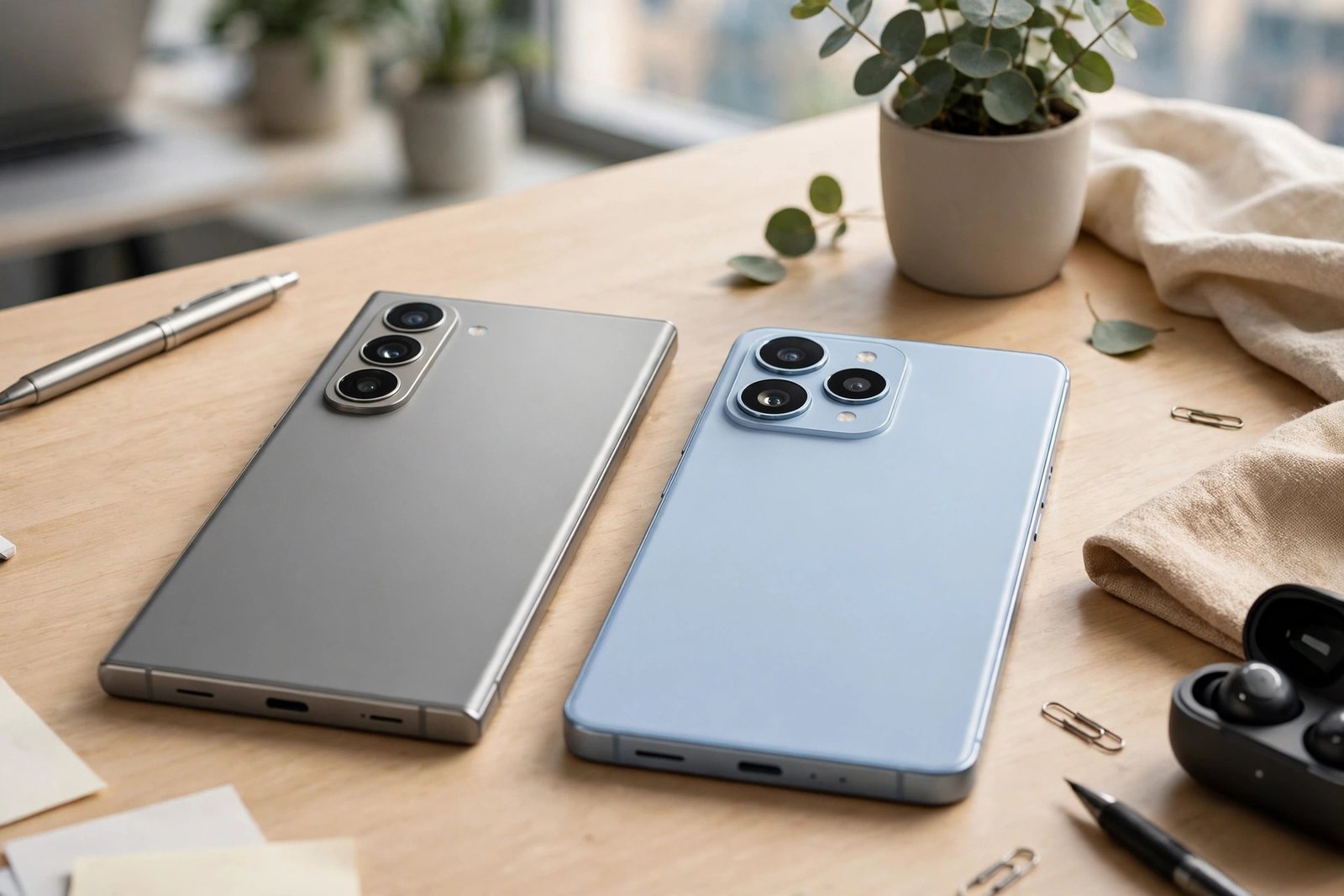
The OnePlus 15 vs Samsung Galaxy S26 question is, at heart, a question about what a flagship phone should prioritise. OnePlus has built its reputation on speed, generous battery life and a lower price than its most direct rivals, while Samsung has built the Galaxy S line on a polished all-round package, a mature camera system and software support that stretches across many years.
If you are choosing between them, the answer is not simply which phone is faster on paper. It is which set of trade-offs fits the way you actually use a phone, and how much you are willing to pay for polish you may barely notice. Some details about both phones remain unconfirmed at the time of writing, so exact specifications, final pricing and release timing should be checked against the manufacturers’ own announcements before you buy.
Key takeaways
- OnePlus is the speed-and-value pick in principle: expect fast performance, rapid charging and a large battery, usually at a lower price than Samsung.
- Samsung is the safer all-round pick: expect a more refined camera system, wider availability, longer software support and stronger resale value.
- Heavy users who charge little and game often may lean OnePlus; keen photographers and long-term keepers may lean Samsung.
- Do not buy on a single leaked specification. Check the confirmed specification sheet, the price in your region and the software support period first.
- If the price gap is small, Samsung’s polish and support usually win. If it is wide, OnePlus’s value becomes hard to ignore.
Speed: two different ideas of fast
OnePlus has long treated speed as a headline feature. Its phones have tended to pair a top-tier chip with generous memory, a fast, fluid display and software tuned to feel immediate, and very fast charging makes a low battery less of a problem in daily life. Samsung takes a broader view: the Galaxy S26 is expected to be fast in the ways that matter day to day, with a flagship chip and software that has become noticeably cleaner in recent generations. It may not win a synthetic benchmark race against OnePlus, and any gap is likely to be small in real use.
Design and display: restraint against refinement
OnePlus design has moved towards a cleaner, more understated look, with slim frames, a large display and a focus on comfortable handling. The OnePlus 15 is expected to continue that direction, with a bright, high-refresh screen suited to video, gaming and reading outdoors. Samsung, by contrast, has refined the Galaxy S design over many generations. The Galaxy S26 is expected to offer a slim, well-balanced body and a display with strong brightness, accurate colour and excellent outdoor visibility.
Cameras: consistency against character
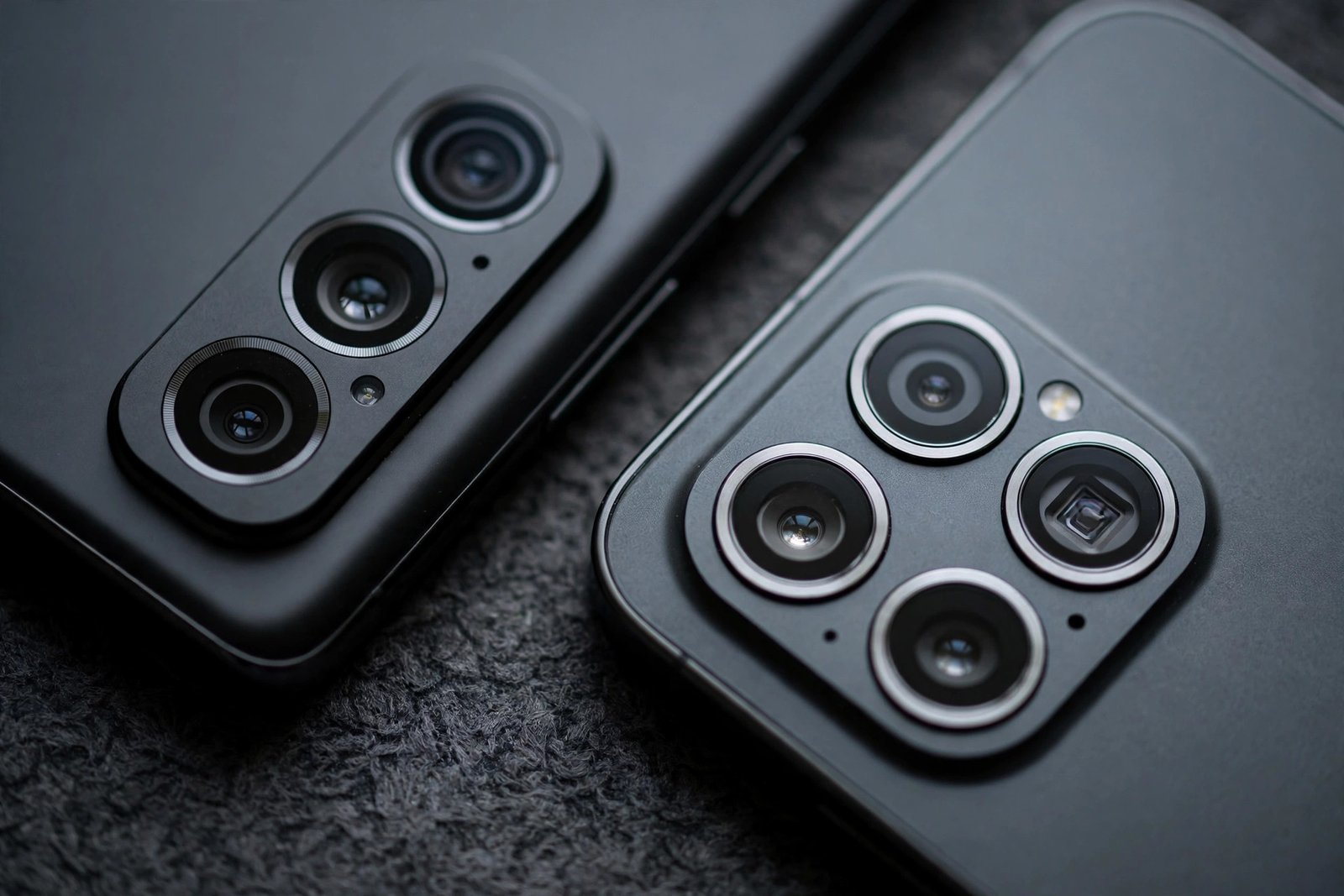
Cameras are where the two brands diverge most clearly. Samsung’s Galaxy S cameras are built around consistency. The main camera should produce clean, detailed photos in good light and respectable results in low light, with a versatile zoom range and video that is stable and easy to rely on.
OnePlus cameras have improved markedly in recent generations, helped by a partnership with Hasselblad that has shaped colour and image processing. The OnePlus 15 is expected to continue that progress, with a strong main camera and colour that aims for a more natural, restrained look. In good light, the gap may be narrow. In tricky light, at long zoom or in video, Samsung’s longer experience may still give it an edge, though that remains to be confirmed in independent testing. If you photograph concerts, night scenes or fast-moving children, the Galaxy S26 is the more cautious choice. For a closer look at how Samsung’s latest flagship compares with another leading camera phone, see our Galaxy S26 vs Pixel 10 comparison.
What to test before you choose a camera
Do not judge a camera by its megapixel count or a single sample photo. Take the same shots on both phones if you can: a portrait in shade, a plate of food indoors, a street scene at dusk and a subject at three-times zoom. Look at skin tones, whether highlights are blown out, and how much detail survives in shadows.
Battery and charging: capacity against control
Battery life is one of OnePlus’s strongest cards. The brand has tended to fit large batteries and pair them with very fast wired charging, so a phone can go from nearly empty to usable in a short break. That suits people who forget to charge overnight or spend long days away from a socket. Samsung’s approach is more measured: Galaxy S phones have generally offered solid all-day battery life with charging speeds that are respectable but rarely the fastest in the class. What Samsung offers in return is careful battery management and a charging routine designed to protect long-term battery health. Screen brightness, 5G use, gaming and camera use all drain a battery faster than a specification sheet suggests, so real-world reviews are a better guide than any single capacity figure.
Our guide to extending iPhone battery life covers habits that apply to Android phones too.
Software and support: OxygenOS against One UI
Software often decides a choice like this, because it shapes every interaction with the phone. OnePlus’s OxygenOS has a reputation for being clean, fast and close to stock Android, with useful customisation and few unwanted extras. OnePlus has also improved its update commitment in recent years, though the exact support period for the OnePlus 15 should be confirmed from OnePlus directly. Samsung’s One UI has become one of the most polished Android interfaces available, with deep customisation, strong multitasking and tight integration with Samsung’s own apps, including Galaxy AI features. Samsung has committed to several years of updates for its flagships, which helps security and resale value.
Value: the price gap decides the winner
Value is where OnePlus has its clearest opportunity. The brand’s strategy has been to offer flagship-level performance and battery life at a price below Samsung’s, and if the OnePlus 15 follows that pattern, it will be the better choice for buyers who want speed and stamina without paying a premium for camera polish. The size of that price gap matters: a small saving may not be worth giving up Samsung’s cameras and support, while a large saving may be decisive. Compare the price you would actually pay after trade-in, rather than the launch price alone.
| Feature | OnePlus 15 | Galaxy S26 |
|---|---|---|
| Speed and feel | Expected to feel very fast, with a focus on responsiveness and gaming | Expected to feel smooth and settled, with strong everyday performance |
| Battery approach | Large battery and very fast charging expected | Solid all-day life with more measured charging speeds |
| Cameras | Strong main camera with natural colour; zoom and video still to be tested | Versatile, consistent cameras with strong video and long zoom |
| Software | Clean, fast OxygenOS; support period to confirm | Polished One UI with long software support expected |
| Value | Usually the lower-priced flagship option | Higher price, with polish, support and resale value in return |
| Best suited to | Heavy users, gamers and value-focused buyers | Photographers, long-term keepers and buyers who want the safest all-round choice |
Decision checklist: which phone fits your life?
Use this short checklist before you buy. Answer honestly, and the right phone usually becomes clear.
- You use your phone heavily and charge in short bursts: lean OnePlus, for its battery and fast charging.
- You photograph often, especially at night or at a distance: lean Samsung, for its camera consistency and video.
- You keep phones for four years or more: lean Samsung, for its longer software support and resale value.
- You upgrade every year or two: lean OnePlus, because the price saving matters more than long-term support.
- The price gap is small: choose Samsung, because its polish and support justify a modest premium.
- The price gap is large: choose OnePlus, because the saving outweighs the differences for most users.
Still torn? Our iPhone 17 vs Galaxy S26 comparison may help if you are weighing Android against iPhone too.
Frequently asked questions
Is the OnePlus 15 faster than the Galaxy S26?
It may feel faster in short bursts, especially in gaming and app switching, but the difference in everyday use is likely to be small.
Which phone has the better camera?
Samsung is the safer bet for consistency, video and long zoom, based on the Galaxy S line’s track record. OnePlus may match Samsung in good light, but its low-light and video performance is still to be confirmed by independent testing.
Which phone has better battery life?
OnePlus is expected to offer a larger battery and much faster charging, which should suit heavy users. Samsung should still last a full day for most people.
How long will each phone be supported?
Samsung has committed to long software support for its flagships, and the Galaxy S26 is expected to follow that pattern. The exact period for the OnePlus 15 should be confirmed from OnePlus before you buy.
Is the OnePlus 15 better value than the Galaxy S26?
It is likely to be better value if the price gap is wide and you prioritise speed and battery life. If the gap is narrow, Samsung’s cameras, software support and resale value narrow the difference.
The verdict
The OnePlus 15 vs Samsung Galaxy S26 choice comes down to priorities rather than a single winner. OnePlus offers speed, battery life and value, and it is the more appealing phone for heavy users who want flagship performance without a flagship price. Samsung offers a more complete package: a consistent camera, a polished display, thoughtful software and support that lasts. For most buyers who keep a phone for years and photograph often, the Galaxy S26 is the safer choice. For buyers who want the fastest phone for the money, the OnePlus 15 is the smarter buy.
Then choose the phone that fits your daily routine, not the one with the most impressive headline. That is the decision you will still be happy with in a year’s time.