
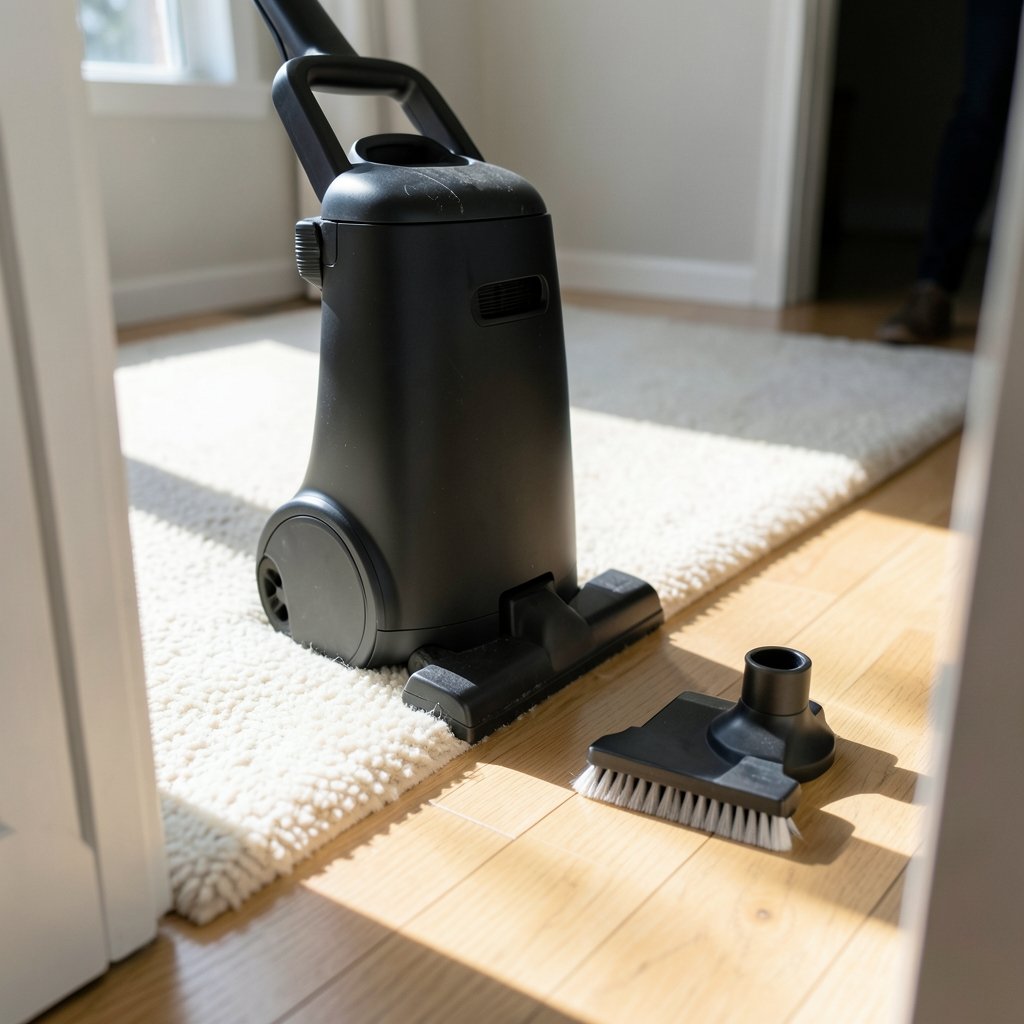
Can one vacuum really clean thick carpet and delicate hardwood without ruining either? That’s the question most shoppers ask after dragging a heavy upright across a rug and watching it spit crumbs across a freshly finished oak floor. The honest answer is yes, but only if the machine has the right combination of adjustable height, a switchable brushroll, and enough sealed suction to pull grit out of pile without sandblasting a wood finish.
This guide breaks down what matters, where most people go wrong, and how to match a vacuum to a home with mixed flooring.
Why carpet and hardwood need different handling
Carpet and hardwood are opposites in almost every way that matters to a vacuum. Carpet pile traps soil deep in the fibers, and the only way to lift it is mechanical agitation plus strong airflow. A spinning brushroll beats the fibers, loosens embedded grit, and lets suction carry it away. Without that agitation, surface debris comes up but the grit that grinds fibers down stays put.
Hardwood is the reverse. The surface is sealed or oiled, and a fast-spinning brushroll can scatter debris, scratch softer finishes, or fling dust into corners you just cleaned. What hardwood needs is controlled airflow and a head that glides without grinding. Many manufacturers specify vacuum-only or soft-brush cleaning for delicate finishes, and oiled or waxed wood is more sensitive than a hard polyurethane seal.
That’s the core tension. A machine built purely for carpet is often too aggressive for wood. A machine built purely for bare floors lacks the agitation carpet needs. The best vacuum for carpet and hardwood floors sits in the middle, and it earns that spot through adjustability rather than raw power.
The features that actually separate good dual-floor vacuums
Adjustable height and a switchable brushroll
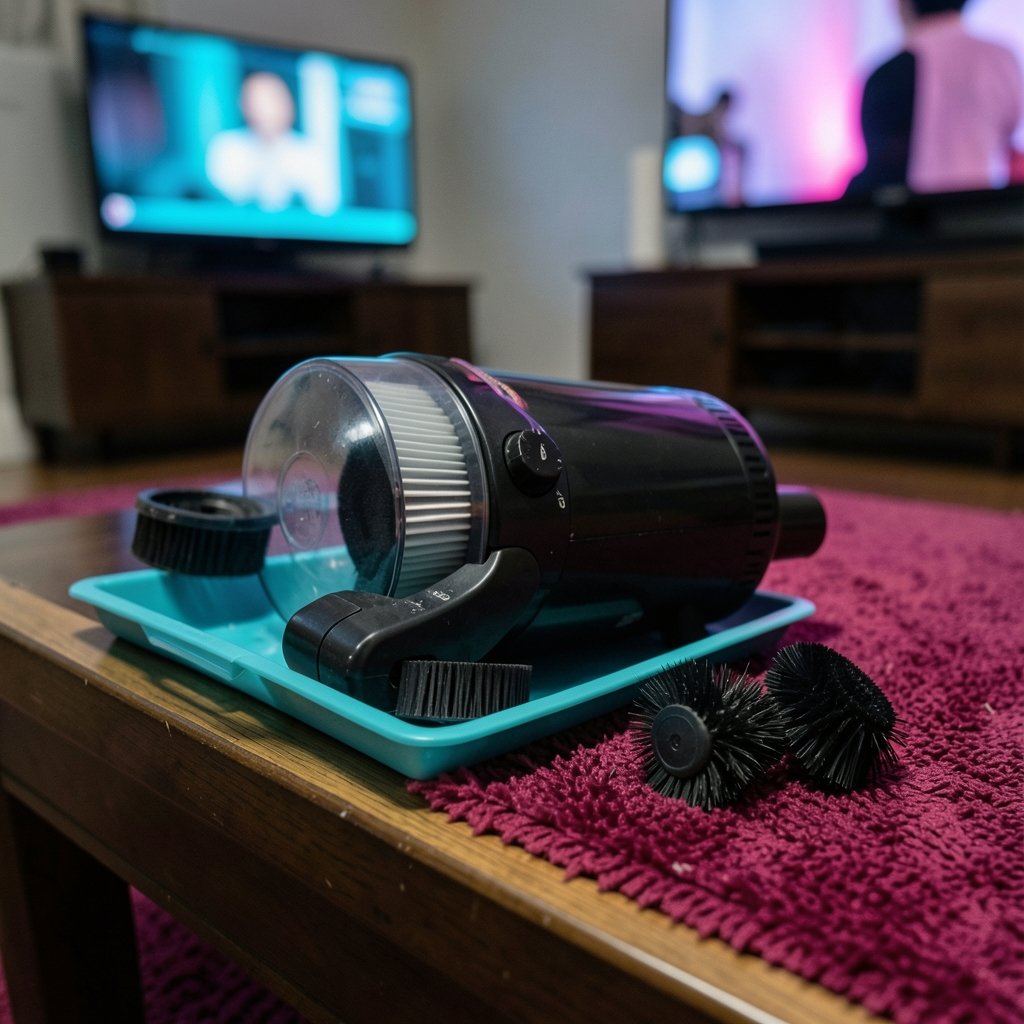
This is the single most important feature. A brushroll you can turn off, or a head you can swap, lets one machine treat two very different surfaces correctly. Adjustable height matters too: lowering the head on carpet lets the brushroll reach the pile, while raising it on hardwood keeps the bristles from dragging.
Practical tip: on hardwood, run the brushroll off and use a felt or soft-bristle head. On low-pile carpet, a slower brushroll speed often cleans better than full speed because it doesn’t scatter debris before suction grabs it.
Sealed suction and real filtration
Suction alone isn’t the whole story. A sealed system keeps air moving through the filter instead of leaking around gaskets, and that matters most as the bin fills. HEPA filtration is defined by formal standards, and true HEPA captures 99.97% of particles at 0.3 microns. For allergy sufferers, a sealed HEPA system reduces the fine dust that vacuuming can otherwise stir back into the air. Bagged systems can be cleaner to empty and may hold suction better as they fill; bagless models need regular filter cleaning to stay strong.
Weight, reach, and the tools that do the real work
Heavier uprights are often stronger on carpet but miserable on stairs and in tight corners. Canisters with a swappable bare-floor tool are frequently favored for mixed flooring because the head changes with the surface. Stick vacuums trade capacity and sustained power for agility. None of these is universally best; the right pick depends on how much carpet you actually have.
For pet hair and edges, specialized tools matter more than headline suction. A motorized pet brush and a crevice tool will outperform a stronger vacuum with the wrong attachment. If long hair and pet fur are your main battle, it’s worth reading up on how robot vacuums handle long human hair before assuming a robot will replace your upright.
Corded versus cordless
Cordless models have closed the gap, but they generally trade runtime and sustained suction for convenience. Corded units typically hold higher airflow for longer. For a whole-house deep clean on carpet, a corded machine still has the edge. For quick touch-ups on hardwood between deep cleans, cordless is hard to beat.
A quick comparison by floor mix
| Floor mix | Best fit | Why it works | Watch out for |
|---|---|---|---|
| Mostly carpet, some hardwood | Upright with switchable brushroll | Strong agitation for pile, brushroll off for wood | Weight on stairs |
| Mostly hardwood, some rugs | Canister with bare-floor tool | Swappable heads, light and maneuverable | Smaller bins |
| Even split, tight spaces | Stick or cordless with soft roller | Fast switching, easy storage | Runtime limits |
| Allergies in the house | Sealed HEPA, bagged or well-sealed bagless | Keeps fine dust contained | Filter maintenance |
If you want a deeper look at matching a machine to specific carpet types, this guide to the best vacuum for carpet covers pile height and agitation in more detail. And if you’re weighing flooring changes room by room, a comparison of bedroom flooring options like carpet versus hardwood helps you plan around the vacuum you’ll need.
Common mistakes people make with dual-floor vacuums
The most expensive mistake is buying for one floor and living with the other. Someone with 80% carpet buys a bare-floor specialist and then fights to get grit out of the rug. Someone with mostly oak buys a carpet upright and scratches the finish within a month.
A few more traps worth avoiding:
- Leaving the brushroll spinning on hardwood. It scatters debris and can mar softer finishes over time.
- Skipping height adjustment. Running a carpet setting on wood drags the head and stresses the motor.
- Ignoring filter maintenance. A clogged filter cuts suction long before the motor gives out, and bagless owners often let this slide.
- Trusting headline suction numbers. Airflow, head design, and sealing usually matter more than the wattage on the box.
- Forgetting the edges. Most debris collects along baseboards, and a crevice tool does more there than extra power ever will.
Robot vacuums deserve their own caution. They’re excellent for daily maintenance on both surfaces, but cliff sensors can misbehave on dark carpet, a known quirk covered in this look at why robot vacuum cliff sensors fail on black carpet. And if a wheel jams mid-clean, this guide to the robot vacuum wheel stuck error walks through the fix.
How to test a vacuum before you commit
You can learn a lot in five minutes with a demo unit or a friend’s machine. Sprinkle a pinch of flour on a carpet sample and time how many passes it takes to lift it. Then run the same head across a hardwood sample and watch whether debris scatters. A vacuum that passes both is a genuine dual-floor machine.
At home, do a two-week trial if the retailer allows it. Vacuum the same carpeted room twice a week and check the bin: if it keeps pulling up visible grit after the first few cleans, the agitation is working. On hardwood, watch for a fine dust trail behind the head. That trail usually means the brushroll is spinning when it shouldn’t be, or the filter is due for a clean.
Where robot vacuums and mop combos fit in
For many homes, the practical answer isn’t one vacuum but a pair: a corded upright or canister for weekly deep cleans, plus a robot or mop combo for daily upkeep. Robot vacuum and mop combos have improved enough to handle light hardwood cleaning well, and this roundup of robot vacuum mop combos that actually clean floors covers which ones earn their price. If mopping is the priority, a dedicated look at the best vacuum mop combo helps narrow the field.
One underrated detail: what you put in the robot’s water tank matters. Harsh cleaners can dull a wood finish over time, and this guide to robot vacuum cleaning solution alternatives explains safer options. For most sealed hardwood, plain water or a manufacturer-approved solution is the safe default.
Matching the machine to your home, not the marketing
The best vacuum for carpet and hardwood floors is the one that matches your actual floor mix, your storage space, and how often you’re willing to maintain it. A canister with a swappable head suits a home with equal parts rug and wood. A switchable upright suits a carpet-heavy house with a few hard-floor rooms. A cordless stick plus a robot covers a mostly-hardwood home with a couple of area rugs.
Buy for the floor you have most of, then make sure the machine can handle the rest without damage. That single rule prevents most of the regret people feel a month after purchase.
Conclusion
There’s no single perfect vacuum for every home, but there is a clear formula: adjustable height, a brushroll you can switch off or swap, sealed suction with real filtration, and the right tools for edges and pet hair. Get those four right and one machine can clean carpet deeply and treat hardwood gently. Get them wrong and you’ll either leave grit in the rug or scratch the floor you just refinished. Match the machine to your floor mix, test it on both surfaces before you commit, and keep the filters clean. That’s what actually works in practice, and it’s a lot more reliable than any spec sheet.
Frequently Asked Questions
Can one vacuum really clean both carpet and hardwood well?
Yes, if it has adjustable height and a switchable or soft brushroll. Those two features let the same machine agitate carpet pile and glide gently over sealed wood. Vacuums without them tend to be strong on one surface and risky on the other.
Is it bad to use a spinning brushroll on hardwood floors?
It can be. A fast-spinning brushroll may scatter debris and, on softer or oiled finishes, cause scratching over time. Turn the brushroll off or switch to a bare-floor head for wood, and check the flooring manufacturer’s care guidance for delicate finishes.
What does HEPA filtration actually mean?
True HEPA filtration is defined by formal standards and captures 99.97% of particles at 0.3 microns. A sealed HEPA system keeps fine dust inside the machine instead of blowing it back into the room, which matters for allergy sufferers.
Are cordless vacuums strong enough for carpet?
Modern cordless models handle low-pile carpet and daily upkeep well, but they generally trade runtime and sustained suction for convenience. For deep cleaning medium or thick carpet across a whole house, a corded machine usually holds stronger airflow for longer.
Do I need a separate vacuum for hardwood?
Not necessarily. A canister with a swappable bare-floor tool or an upright with a brushroll-off setting covers both surfaces. A separate bare-floor tool is worth having if you have a lot of wood and delicate finishes.
How often should I clean or replace the filter?
Check the filter every few weeks if you vacuum often or have pets, and clean or replace it according to the manufacturer’s schedule. A clogged filter cuts suction long before the motor fails, and it’s the most common reason a good vacuum starts underperforming.
A final word on storage and setup: keep the bare-floor head and crevice tool within reach, not buried in a closet, or you’ll default to the wrong attachment out of laziness. Empty bagless bins after each deep clean and let filters dry fully before reinstalling them. Small habits like these preserve suction and keep the machine honest on both surfaces for years.
Keep a spare filter on hand so a wet one never forces a skipped clean. Store the cord loosely, not kinked around a hook, and check the brushroll for wrapped hair monthly. On hardwood, a microfiber pad after vacuuming catches the dust the bin misses. On carpet, a slow pass beats a fast one every time. None of this is glamorous, but it’s what separates a vacuum that lasts from one that ends up in a garage sale. Choose for your floor mix, maintain it, and it will earn its place in the closet.



